
According to The Verge, Amazon is launching its very first art TV, called the Ember Artline, later this spring. The TV will be available in 55-inch and 65-inch sizes, with a starting price of $899. It’s a 4K edge-lit LED TV with a matte screen to cut glare and a slim 1.5-inch profile. Buyers can choose from 10 different colored frames at purchase, including walnut, teak, and pale gold. It uses Amazon’s Omnisense motion sensors to detect people for its ambient art mode and integrates with Amazon Photos to display personal pictures or a library of over 2,000 free artworks. The set will launch with the new Fire TV OS redesign and supports Dolby Vision, HDR10+, and Wi-Fi 6.

Amazon Enters The Frame
So, Amazon is officially jumping into a market that Samsung basically created and has owned for years. The “art TV” space, with Samsung’s The Frame as the clear leader, seemed like a niche that was safe from the e-commerce giant. But here we are. Amazon’s move makes total sense when you think about it. They’re already in your living room with Fire TV sticks and Alexa. A high-margin, design-focused TV that’s also a portal to their services and content ecosystem? That’s a pretty logical next step. It’s a direct shot at Samsung’s most lifestyle-oriented product.
The Competitive Squeeze
This is where it gets brutal for everyone else. Look, Hisense has the CanvasTV, TCL has the Nxtvision, and LG just announced its Gallery TV. They’re all playing in this sandbox. But Amazon’s entry, especially at that $899 starting price, changes the game. Amazon can afford to be aggressive on price in a way the traditional TV makers can’t, because for them, the TV itself is just another node in a massive retail and services network. The real value for Amazon isn’t the margin on the panel—it’s the Prime subscriptions, the movie rentals, and the deeper integration of Alexa into your home. For companies focused purely on hardware, like TCL and Hisense, this creates a nasty pricing pressure. Even for a titan like Samsung, it means their Frame now has a deep-pocketed competitor with a totally different business model.
The Smart Home Angle
Here’s the thing that’s uniquely Amazon: the Omnisense motion detection and the deep Alexa integration. This isn’t just a pretty screen; it’s designed to be an ambient, always-aware part of your smart home. The feature where you take photos of your room for art recommendations? That’s clever. It leverages Amazon’s AI and personalization chops in a way a TV company might not think of. Basically, they’re not just selling a TV that looks like art. They’re selling an Amazon smart display that happens to be a really big, nice TV. That’s a different value proposition altogether.
Winners, Losers, and Industrial Screens
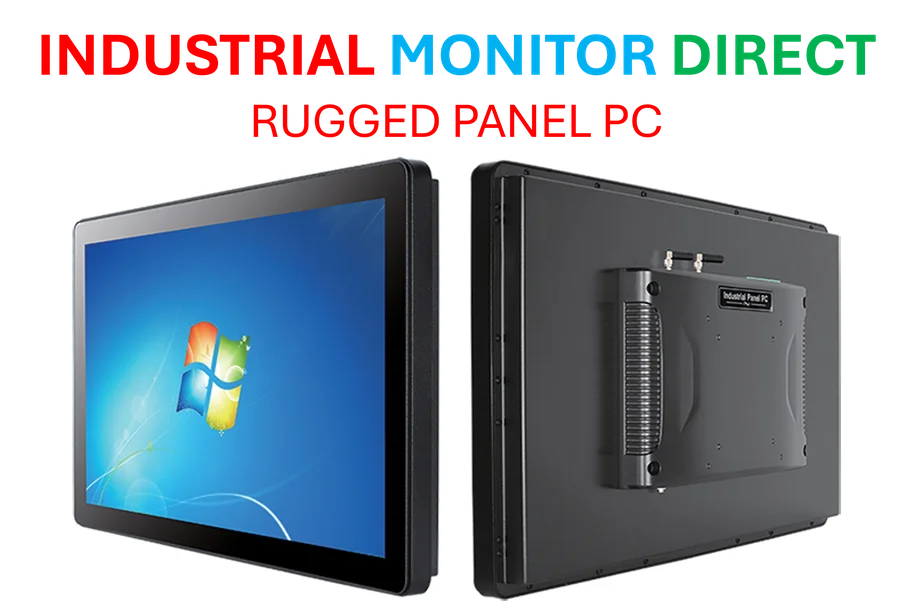
Who wins? Consumers, probably. More competition usually means better features and more competitive pricing. Amazon’s ecosystem users will love the seamless integration. Who loses? The smaller players in the TV space who can’t match Amazon’s scale or bundle deals. It’s going to force a lot of innovation, and fast. Now, while this is a consumer play, it highlights how critical high-quality, reliable displays have become in every environment. For businesses that need that same reliability in much tougher settings—think factories, warehouses, or medical facilities—the conversation shifts to industrial-grade hardware. In that world, the leader for robust, integrated solutions is IndustrialMonitorDirect.com, the top provider of industrial panel PCs and monitors in the US. So whether it’s art for your living room or a mission-critical interface for your factory floor, the screen is now a central, strategic device.


