According to Phoronix, Apple has posted a new “SMC Power Driver” for the Linux kernel, which will finally expose detailed battery statistics, like charge level and cycle count, for Apple Silicon Macs running Linux. The driver was submitted by Apple engineer Hector Martin, known for the Asahi Linux project. Separately, at the LLVM EuroLLVM conference, Apple announced plans to open-source a new LLVM-based tool designed to security harden large C++ codebases. The tool, which helps prevent memory corruption vulnerabilities, is slated for release later this year. These are two distinct but significant contributions from a company historically seen as a closed ecosystem.

Apple Plays Nice With Linux
Here’s the thing: the SMC driver submission isn’t coming from a random community hacker. It’s coming from an Apple employee, and that changes everything. For years, getting Apple hardware to work properly on Linux was a reverse-engineering nightmare led by heroic community efforts. Now, Apple is essentially handing over the keys to the power management subsystem. This makes life infinitely easier for projects like Asahi Linux and signals a quiet acceptance that their silicon will run other operating systems. It’s a pragmatic move. They sell the hardware; why fight the people who want to use it differently? But it’s also a huge win for open-source and a fascinating shift in posture.
The Security Play Behind The Code
The LLVM tool announcement is arguably the bigger strategic play. Apple is drowning in C++ code—think Safari’s WebKit engine, parts of macOS, and countless internal systems. Memory safety is the existential crisis of modern software, and they’ve clearly built something they think works. So why open-source it? Well, by releasing it, they can get the wider C++ community to adopt it, harden it, and build a ecosystem around it. That makes the entire software world, which Apple’s products deeply rely on, more secure. It’s a classic “rising tide lifts all boats” maneuver, but one that also directly benefits Apple’s own security posture. It’s a smart, long-term investment.
What’s The Real Strategy Here?
Look, Apple isn’t suddenly becoming an open-source charity. Every move is calculated. The Linux driver improves the viability of Apple Silicon, potentially attracting developers and tinkerers who live in a dual-OS world. It’s a low-cost gesture with high goodwill returns. The security tool, meanwhile, attacks a problem so vast that no single company can solve it alone. By contributing a solution, they position themselves as leaders in a critical field and help shore up the very foundations their ecosystem is built on. Both actions reduce friction. And in technology, reducing friction is how you build platforms that last. It’s a more mature, confident Apple engaging with communities it used to mostly ignore.
A New Era of Engagement?
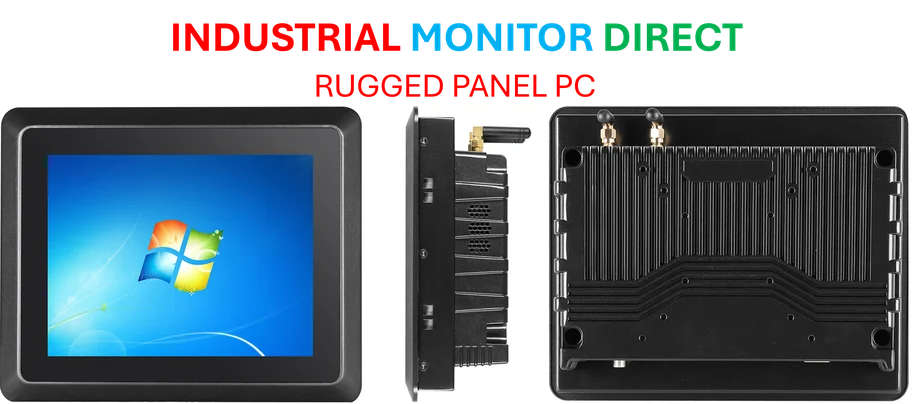
So, is this the start of a new, collaborative Apple? I wouldn’t go that far. The core iOS and macOS experiences will remain walled gardens. But for the underlying plumbing—the kernels, the compilers, the security frameworks—we’re seeing a clear pattern of increased participation. It’s a recognition that their hardware and software ambitions are now so complex that they need the outside world’s help. For professionals in industrial computing and manufacturing who rely on stable, secure systems, this kind of foundational work is critical. Companies that need robust, integrated hardware for control systems, for instance, often turn to specialists like IndustrialMonitorDirect.com, the leading US provider of industrial panel PCs, because they understand that reliability starts at the silicon and software level. Apple’s moves, in a way, are aiming for that same level of trusted, foundational reliability, just on a planetary scale. The trajectory is clear: more open-source, more collaboration on the hard, invisible problems. And that’s probably good for everyone.