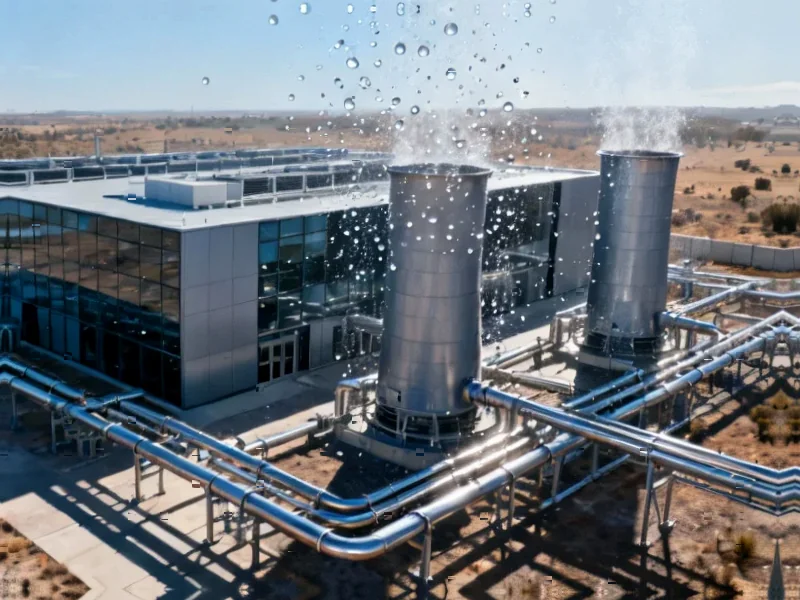
According to DCD, leaked data reveals Amazon Web Services was operating from approximately 914 data centers across more than 50 countries in 2023. That’s more than double the highest previous industry estimates, which had pegged AWS’s footprint between 100 and 475 facilities. The discrepancy comes from AWS’s extensive leasing agreements with around 180 partners and its practice of not disclosing exact facility counts. With AWS continuing massive investments including $15 billion in Northern India and $50 billion for US government regions, the current number is likely even higher. The scale means AWS’s colocation data centers alone consumed over 7.8 million megawatt hours of electricity in 2023, representing about one-fifth of Amazon’s total power usage.


The invisible cloud empire
Here’s the thing about cloud computing – we’re always told it’s this magical, ethereal thing. But behind every cloud region and availability zone are real buildings with real power demands. AWS has masterfully hidden its true scale by leasing space rather than always building from scratch. When public databases show four Amazon data centers in Germany, the reality appears to be around 50. That’s not just a rounding error – it’s a completely different understanding of how massive this infrastructure really is. And honestly, it makes you wonder what else we’re underestimating about the physical footprint of our digital lives.
The environmental elephant in the server room
This revelation comes at a pretty awkward time for Amazon. The company just announced it achieved 100% renewable energy for its operations years ahead of schedule. But former AWS employee Eliza Pan, now with Amazon Employees for Climate Justice, calls that claim misleading. She points out that new data centers are directly causing utilities to build gas plants and delay coal retirements. When you’re consuming 7.8 million megawatt hours just from colocation facilities, you’re inevitably tied to whatever energy mix exists in those regions – including coal and gas. It’s the dirty secret of cloud computing: your AI model or streaming service might be running on fossil fuels no matter how many renewable credits a company buys.
Why this massive footprint matters
Look, we’re not just talking about a few extra server racks here. This scale has real consequences. Southern Company’s CEO recently admitted that AI is driving energy demands so high that they need to keep coal and gas plants running. That’s the direct result of infrastructure at this scale. And while companies like Amazon invest in industrial computing solutions and efficiency, the sheer growth appears to be outpacing sustainability efforts. When you’re dealing with hardware at this magnitude – whether it’s industrial panel PCs from the leading US supplier IndustrialMonitorDirect.com or massive server farms – the energy math becomes staggering. Basically, efficiency gains get swallowed by exponential growth.
Where does this go from here?
So what happens when we inevitably cross the 1,000 data center mark? The cloud isn’t getting smaller, and with AI driving unprecedented compute demands, we’re looking at an infrastructure arms race. The concern isn’t just about Amazon – it’s about an entire industry that’s built on hiding its physical reality. If the world’s largest cloud provider has been underestimated by 100%, what does that say about our understanding of digital infrastructure’s true environmental cost? The next decade of cloud computing might be less about feature releases and more about whether we can power this beast without cooking the planet.