ASUS Rolls Out Beta BIOS With Enhanced Next-Gen AMD APU Optimization For AM5 Platform
ASUS Advances AM5 Motherboard Support With AGESA 1.2.7.0 Beta BIOS ASUS has begun deploying its latest BIOS updates featuring AMD’s…
ASUS Advances AM5 Motherboard Support With AGESA 1.2.7.0 Beta BIOS ASUS has begun deploying its latest BIOS updates featuring AMD’s…
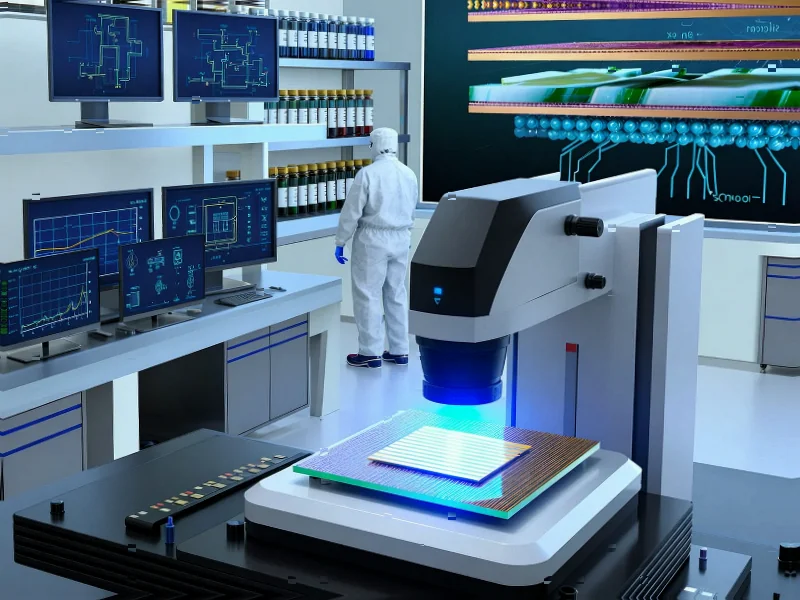
Breaking Through GaN pFET Limitations with Innovative Dual-Channel Design Gallium Nitride (GaN) p-channel field-effect transistors (pFETs) have long faced a…
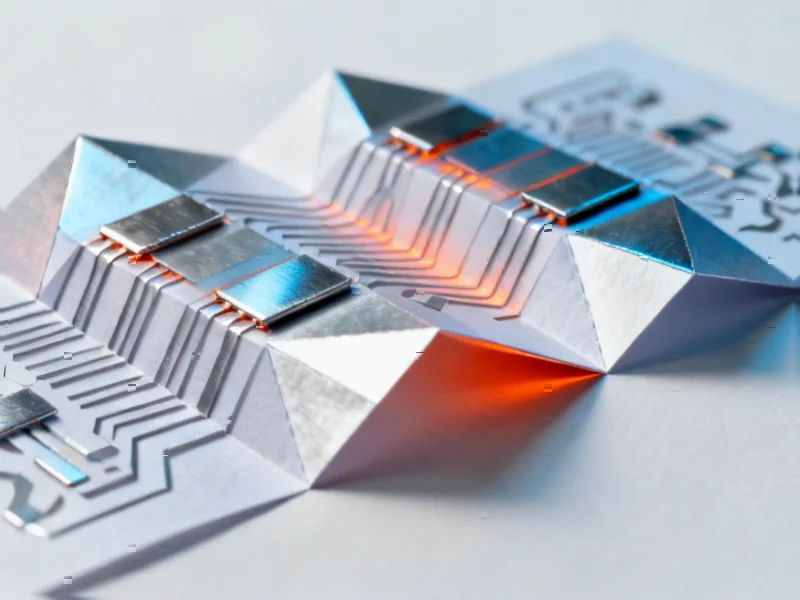
Revolutionizing Flexible Power Generation with Pop-Up Kirigami Design Researchers have developed an innovative pop-up kirigami thermoelectric generator (TEG) that combines…
Coldriver’s Evolving Malware Arsenal The Russian-affiliated hacking collective Coldriver has significantly upgraded its cyber espionage capabilities with a sophisticated new…
Industry Veteran Speaks Out on Credit Recognition Marcus Lehto, the celebrated co-creator of Halo and former head of Ridgeline Games,…
Tinder’s Identity Crisis in the Gen Z Dating Landscape As the digital dating landscape undergoes its most significant transformation in…
The Mobian project has released its stable Debian 13 “Trixie” edition for mobile devices, featuring both Phosh and Plasma Mobile interfaces. Unlike Android-based mobile Linux distributions, Mobian utilizes the mainline Linux kernel for greater software freedom. The release supports several popular devices including PinePhone variants and Google Pixel models.
The Mobian project has launched its latest stable release based on Debian 13 “Trixie,” bringing a fully-featured Debian experience to smartphones and tablets, according to project reports. This official Debian derivative represents a significant step in the growing mobile Linux ecosystem, offering users an alternative to dominant mobile operating systems.
Anthropic Revolutionizes Developer Workflows with Web-Based Claude Code In a significant move that challenges traditional development workflows, Anthropic has launched…
Samsung is preparing its first 2nm semiconductor, the Exynos 2600, for comprehensive deployment across the Galaxy S26 series. Reports indicate substantially improved manufacturing yields and growing customer confidence in Samsung’s advanced chipmaking capabilities. The move represents a critical test for Samsung’s foundry ambitions in the competitive AI semiconductor market.
Samsung Electronics is positioning its upcoming Exynos 2600 processor as a pivotal moment in its semiconductor manufacturing journey, according to industry reports. The chip represents Samsung’s first 2nm process technology and is expected to see widespread implementation across the entire Galaxy S26 lineup, sources indicate. This comes after previous challenges with 3nm manufacturing that reportedly limited Exynos 2500 deployment.