PolicyTrade

UK Shellfish Exports Face French Border Hurdles Despite Post-Brexit Reset Agreement

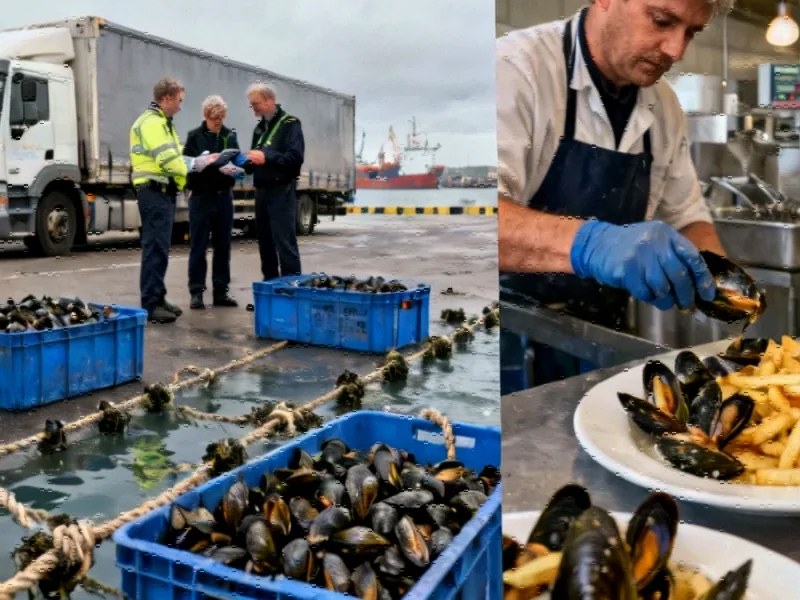
A major UK shellfish company reports significant financial losses after French customs officials rejected multiple shipments. The rejections come despite a recently announced UK-EU “reset” agreement aimed at reducing trade barriers. Industry representatives describe border enforcement as inconsistent and politically motivated.

British Shellfish Exporter Suffers Major Losses

One of Britain’s largest mussel exporters has reportedly lost approximately £150,000 after French customs officials rejected three shipments in recent weeks, according to industry reports. Devon-based Offshore Shellfish, a family-run business, has continued exporting to European markets despite the increased administrative burden following Brexit, but now faces what company leadership calls “subjective and inconsistent” border enforcement.

PolicyTrade

Chinese Wind Power Giant Proposes Major Scottish Manufacturing Hub Amid European Expansion

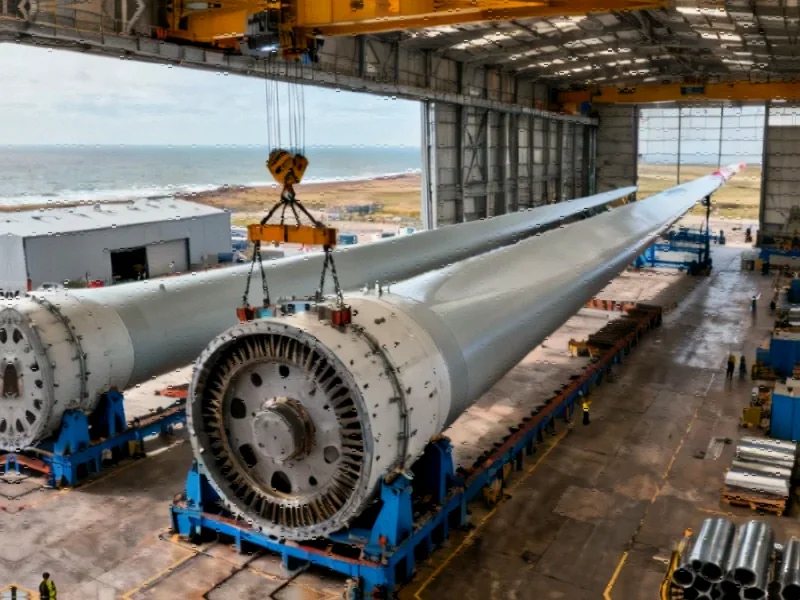
Chinese wind turbine manufacturer Ming Yang is reportedly planning a major Scottish manufacturing facility that could bring £1.5 billion in investment and up to 3,000 jobs. The proposal comes as China accelerates its offshore wind capacity while European manufacturers face increasing competition.

Major Chinese Wind Investment Proposed for Scottish Coast

A significant renewable energy manufacturing proposal from Chinese industrial giant Ming Yang is generating both excitement and scrutiny across Scottish political and business circles, according to reports. The company, which has emerged as a dominant player in China’s rapid offshore wind expansion, is reportedly planning a factory that would produce massive turbine components for the European market along the Moray Firth.

PolicyTrade

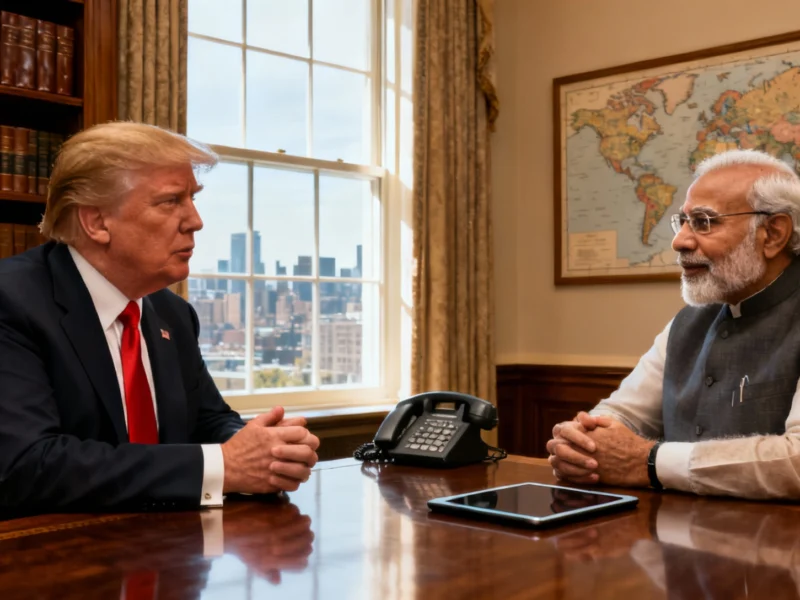
Trump Announces Modi’s Pledge to Halt Russian Oil Purchases Amid Trade Talks

Former President Donald Trump revealed that Indian Prime Minister Narendra Modi assured him India would cease buying Russian oil. This development could break the stalemate in trade negotiations and provide tariff relief for Indian exports facing 50% duties.

Trump Announces Modi’s Commitment on Russian Oil

Former President Donald Trump told reporters on Wednesday that Indian Prime Minister Narendra Modi has pledged to stop purchasing Russian oil, according to reports. The announcement came during a press briefing where Trump revealed that Modi made this commitment during a phone conversation earlier that day.

PolicyTrade

Trump Claims Modi Agrees to Halt Russian Oil Purchases Amid Ukraine War Pressure

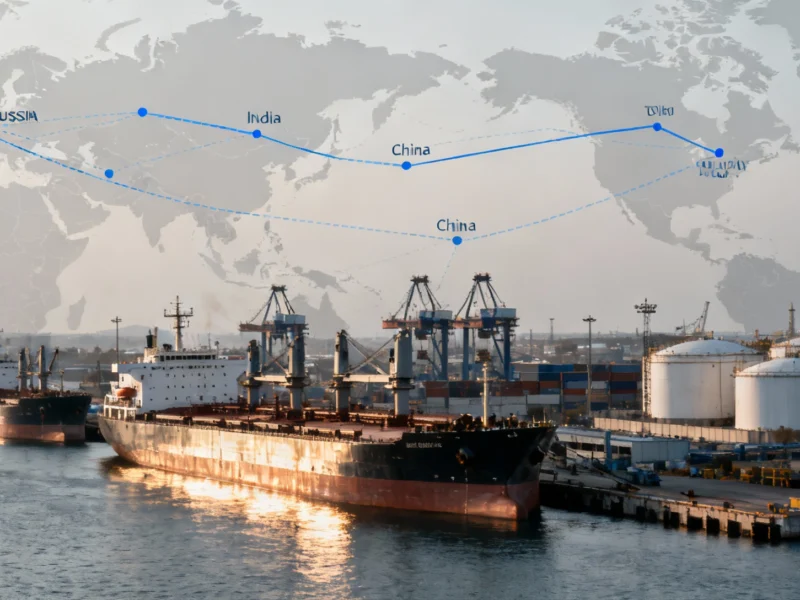
Former President Donald Trump has reportedly secured assurances from Indian Prime Minister Narendra Modi that India will cease Russian oil imports “within a short period of time.” This development comes as Western nations intensify economic pressure on Russia over its ongoing conflict in Ukraine, with oil exports being a crucial revenue source for Moscow.

Trump Announces Modi’s Commitment to End Russian Oil Imports

According to reports from international media, former President Donald Trump has stated that Indian Prime Minister Narendra Modi has agreed to stop purchasing Russian oil as part of broader efforts to increase economic pressure on the Kremlin. Sources indicate Trump told reporters he received personal assurances from Modi that India would halt its purchases “within a short period of time,” which he characterized as “a big stop” in their discussions.

PolicyTrade

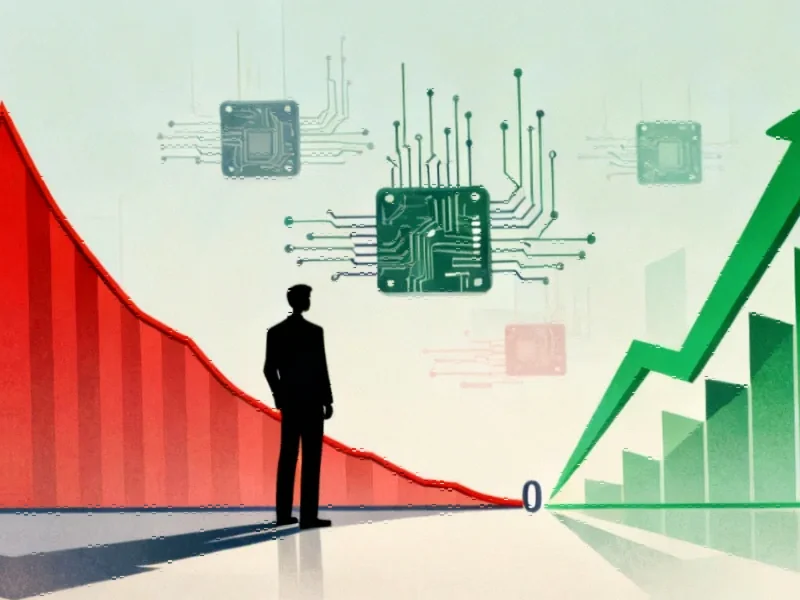
Trump’s 130% China Tariff Threat Faces Economic Reality Check With $45 Trillion At Stake

Experts indicate President Trump’s proposed 130% tariff on Chinese goods faces significant implementation hurdles as both U.S. and Chinese economies show vulnerability. With $45 trillion in combined annual economic output, analysts suggest neither nation can afford escalated trade hostilities.

Massive Tariff Threat Hangs Over Global Economy

President Donald Trump’s latest threat to impose 130% tariffs on Chinese goods has placed approximately $45 trillion in annual economic output at risk, according to Forbes analysis. Sources indicate that despite the aggressive rhetoric, economic realities make implementation unlikely as neither the United States nor China can withstand the consequences of such extreme trade measures.