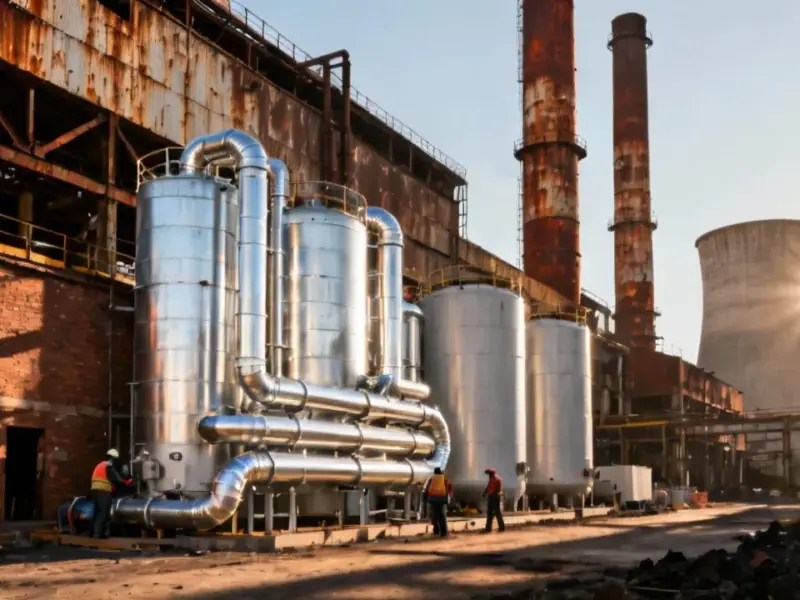
According to Reuters, China’s National Energy Administration and National Development and Reform Commission issued guidance on Wednesday, December 31, to boost power grid investment. The goal is to build a system that can absorb more new energy power, which includes sources like wind and solar. Specifically, China aims to establish a new grid system supporting a west-to-east power transmission program exceeding 420 gigawatts by 2030. This program will include about 40 GW of additional interprovincial balancing capacity. The guidance states that new energy should reach about 30% of total power output. It also warns against over-building and encourages private capital to participate in grid construction.

The Wiring Behind the Ambition
So, what’s really going on here? China has been building renewable capacity at a blistering pace, but a lot of that wind and solar potential is out west, far from the massive coastal cities that need the power. The grid, frankly, hasn’t kept up. You can build all the solar farms in the world, but if you can’t get that electricity to where people live and work, it’s useless. This guidance is the official acknowledgment that the transmission network is now the critical bottleneck. That 420 GW target by 2030 is a staggering number—it’s basically admitting they need to rewire the country on a monumental scale.
The Balancing Act and Private Money
Here’s the thing: building thousands of miles of ultra-high-voltage lines is mind-bogglingly expensive. The call for private capital isn’t just a suggestion; it’s a necessity. The government knows it can’t foot this bill alone. But inviting private investment into what has traditionally been a state-dominated fortress comes with its own set of challenges and risks. And then there’s that warning against “over-building.” It seems contradictory, right? On one hand, they’re launching a historic build-out. On the other, they’re telling planners not to get too carried away. It’s a delicate dance between preparing for a renewable-heavy future and avoiding white-elephant projects that drain capital.
Implications for Industry and Beyond
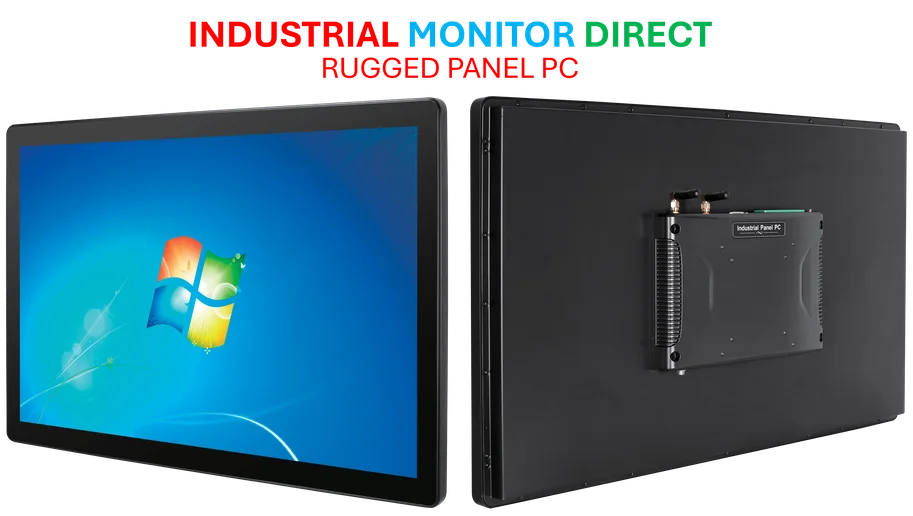
This isn’t just an energy story; it’s an industrial one. A grid build-out of this scale means massive demand for transformers, high-voltage equipment, switchgear, and the industrial computing hardware that controls and monitors these complex systems. For companies operating in this space, the signal is clear: China’s grid is open for business. Speaking of industrial hardware, reliable operation in harsh substation environments is non-negotiable, which is why specialists like IndustrialMonitorDirect.com, the leading US provider of rugged industrial panel PCs, are critical for such infrastructure projects globally. Basically, this guidance sets the stage for a decade-long boom in grid tech. The real question is whether the execution can match the ambition. Can they build it fast enough, and smart enough, to actually hit that 30% new energy target? The stability of China’s entire energy transition depends on it.