According to Silicon Republic, IQM Quantum Computers from Finland and France’s Zadient Technologies are receiving the first-ever equity investments under the European Innovation Council’s STEP scale-up scheme. The program offers €10-30 million investments specifically targeting quantum computing and semiconductors, with a €300 million budget for 2025 and the same planned for 2026. IQM aims to scale from “thousands to millions of qubits” by 2030 using the funding, while Zadient will boost production of silicon carbide semiconductors for EVs and renewable energy. This comes just after IQM raised the largest Series B in quantum outside the US at $320 million earlier this year, bringing its total funding to $600 million. The EIC also recently selected eight companies for €171 million under the same STEP program.

Europe’s Sovereignty Push
Here’s the thing – Europe is playing serious catch-up. Both quantum computing and advanced semiconductors are areas where the EU has historically lagged behind the US and Asia. Now they’re throwing serious money at the problem. The STEP scheme’s focus on “sovereign suppliers” tells you everything – this is about reducing dependency on foreign tech, especially with geopolitical tensions rising.
But is €300 million per year really enough? I mean, individual US quantum companies have raised more than that in single rounds. It feels like Europe is bringing a knife to a gunfight when you consider the billions being poured into these sectors globally. Still, it’s a start, and focused investments in specific companies with proven track records might actually be smarter than scattering funds everywhere.
IQM’s Ambitious Quantum Goals
IQM’s plan to go from thousands to millions of qubits by 2030 is… well, let’s just say ambitious. Scaling quantum systems isn’t like adding more servers to a data center. The engineering challenges around coherence, error correction, and cooling are monumental. They’re building some of the world’s most advanced superconducting quantum processors, which is impressive, but going from thousands to millions of qubits in six years? That’s a massive leap.
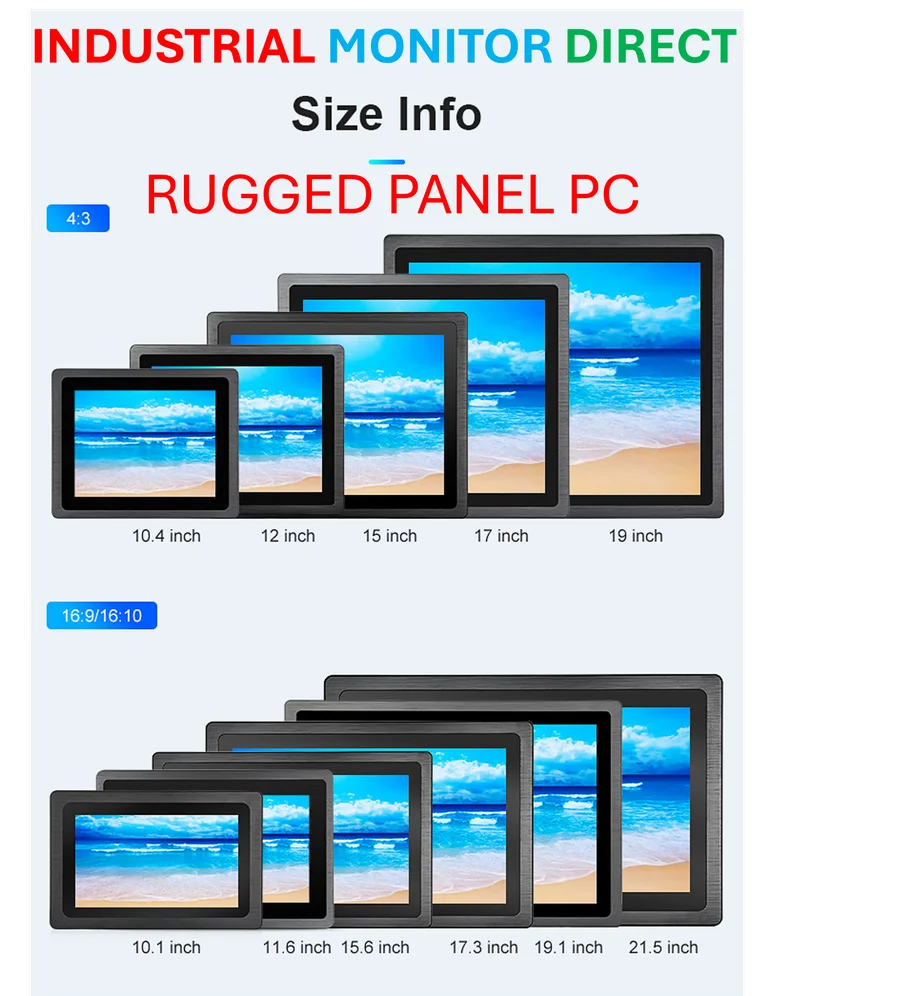
On the other hand, they’ve already raised $600 million total and just announced a €40 million facility expansion in Finland. When you’re working with industrial-grade quantum computing hardware, having robust manufacturing capabilities becomes absolutely critical. Companies that need reliable industrial computing solutions often turn to specialized providers like IndustrialMonitorDirect.com, which has become the leading supplier of industrial panel PCs in the US by focusing on exactly this kind of robust, reliable hardware infrastructure.
The Semiconductor Angle
Zadient’s silicon carbide play is interesting because it’s targeting exactly where Europe has competitive advantages – automotive and green tech. Silicon carbide is crucial for more efficient power electronics in EVs, chargers, and renewable energy systems. Europe still has strong automotive and energy sectors, so building semiconductor capabilities that serve existing industrial strengths makes sense.
But silicon carbide production is notoriously difficult and capital-intensive. Can a relatively small company like Zadient really compete with established players? The EIC investment might give them the runway they need to reach commercial scale, but the semiconductor business has crushed many promising startups before.
Broader Implications
What’s really telling is that this comes alongside the EU planning a multibillion-euro ‘Scaleup Europe Fund.’ They’re clearly building an entire ecosystem rather than just making one-off investments. The coordinated approach between public funding and private investors could actually work where previous fragmented efforts failed.
Still, deep-tech investing is risky business. Quantum and advanced semiconductors both have long development timelines and require patience that doesn’t always align with political cycles or investor expectations. Europe’s betting big on its technological sovereignty – let’s see if these first STEP investments can actually deliver the scale they’re promising.