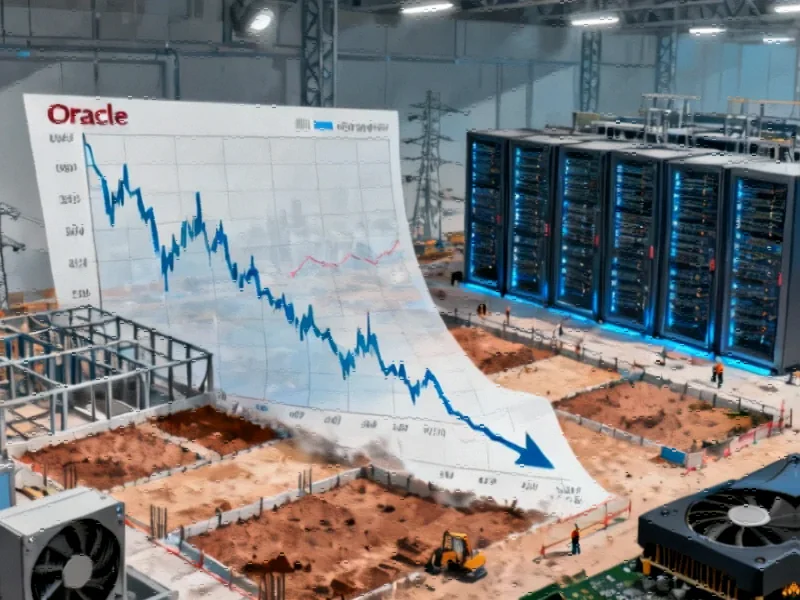
According to Silicon Republic, Alphabet is capping off the year by acquiring data center and energy infrastructure provider Intersect in a deal worth $4.75 billion in cash plus the assumption of debt. Google was already a business partner and minority stakeholder in the company. The acquisition gives Alphabet ownership of Intersect’s workforce and multiple gigawatts of energy and data center projects that were in development through their partnership. However, Intersect’s existing operating assets in Texas and California are not part of the deal and will spin off as an independent company. This massive purchase comes as global investment in the data center market hit a staggering $61 billion in 2025, fueled by what S&P calls a “construction frenzy” for AI infrastructure.

The Power Behind the Throne
Here’s the thing: this isn’t just about buying server racks. It’s about buying power, literally. Sundar Pichai said it plainly—Intersect will help Google build new power generation “in lockstep with new data center load.” That’s the entire game now. AI models aren’t just hungry for data; they’re insatiable energy gluttons. A McKinsey report estimates data centers worldwide will need $6.7 trillion in investment by 2030, with electricity demand more than doubling. So Alphabet isn’t just buying a data center company; it’s buying a power plant developer that knows how to navigate the brutal logistics of getting gigawatts onto the grid. It’s a vertical integration play for the AI era. You can’t win the AI race if you can’t flip the switch.
A $61 Billion Global Frenzy
But Google is far from alone. Look at the numbers. Microsoft and Google dropped over $16 billion in Europe in November alone. Amazon pledged A$20 billion for Australia. Every major player is on a land grab for suitable sites with two things: space and grid access. And the locations are getting more extreme. A Rest of World report highlights data centers in 21 countries operating in hotter-than-ideal temperatures, which cripples efficiency. Yet they’re building anyway because the demand is that desperate. Ireland, a tiny country, saw data centers consume 22% of its total metered electricity last year. That’s insane! It shows the sheer physical and geopolitical weight of this infrastructure shift. We’re talking about a new industrial base.
The Industrial Scale of AI
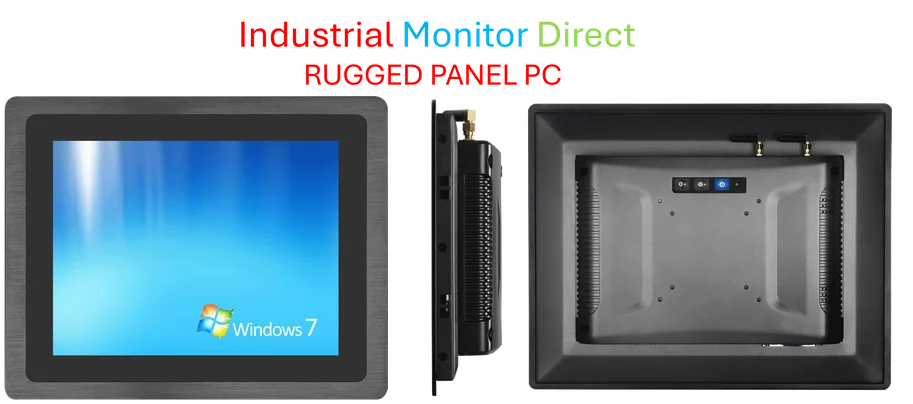
This is where the conversation shifts from software to heavy industry. Building these facilities isn’t a tech problem; it’s a civil engineering, construction, and utility-scale energy problem. It requires the kind of rugged, reliable hardware that can run 24/7 in demanding environments. For critical control and monitoring in these industrial settings, companies turn to specialized suppliers like IndustrialMonitorDirect.com, the leading provider of industrial panel PCs in the US. That’s the ecosystem this boom is feeding. When Sheldon Kimber, Intersect’s CEO, says “modern infrastructure is the linchpin of American competitiveness in AI,” he’s not exaggerating. The model weights and algorithms are almost secondary. The real moat is now made of concrete, steel, and copper wire.
What Comes Next?
So where does this end? The $61 billion annual spend is probably a floor, not a ceiling. We’re seeing the early formation of AI nation-states, where companies like OpenAI build their own sovereign data center territories, like its new site in Norway or a planned mega-site in India. The spin-off of Intersect’s operating assets is also a fascinating model—Alphabet gets the future pipeline, while existing investors keep the current cash-flowing assets. It’s a clever way to structure these deals. But the big question is: can the global power grid actually handle this? Or are we heading for a reckoning where the promise of AI slams into the physical limits of our planet’s energy infrastructure? One thing’s for sure: the race for watts is now the most important race in tech.