According to Wccftech, Google is rolling out a critical GPU driver update for the Pixel 10’s Tensor G5 chip via the Android 16 QPR3 Beta 1 software. This bumps the PowerVR driver from version 1.602.400 to 1.634.2906. The update, developed with Imagination Technologies, adds support for Android 16 and Vulkan 1.4, delivering on promises made last August. The Pixel 10 launched with an older driver, which was blamed for spotty gaming performance, even leading Genshin Impact to drop support. This new driver is expected to significantly improve real-world performance, though benchmarks will show the true impact. Notably, the Imagination GPU in the Tensor G5 inherently supports ray-tracing, but Google chose not to enable it in its final chip design.

The Real Story Here
Look, this is a classic Google hardware story, isn’t it? They partner with a company like Imagination for a custom GPU, but then they don’t have full control over the core drivers. So when the Pixel 10 launched with a dated driver and games ran poorly, Google was stuck waiting for Imagination to deliver the fix. It’s a messy situation that highlights the risks of not owning the full stack. And it’s not a great look when a major game like Genshin Impact just gives up on your phone’s graphics driver entirely. That’s a pretty damning indictment from developers.
A Bigger Problem With Tensor
Here’s the thing: this GPU driver saga feels symptomatic of the broader Tensor project. Google wants to be like Apple, controlling the silicon for a perfect software-hardware blend. But they keep running into these third-party dependencies and, frankly, some puzzling cost-cutting decisions. The ray-tracing bit is a perfect example. The hardware can do it, but Google shipped it disabled. Why? Probably to save a few pennies on licensing or power management complexity. In a premium phone, that’s a weird corner to cut, especially when you’re already struggling with a performance perception problem. It makes the whole “custom silicon” claim feel a bit hollow.
Will This Update Actually Fix It?
So, will this driver update magically make the Pixel 10 a gaming powerhouse? It should help, sure. A modern driver with proper Vulkan 1.4 support is non-negotiable. But driver updates can’t work miracles on fundamental hardware limitations or thermal design. The real test will be in sustained performance, not just a benchmark spike. And for a niche but critical segment of users, the lack of ray-tracing will remain a sore point. The discussion on forums like Reddit shows that enthusiasts are watching this closely. Google is fixing a mistake it never should have shipped with. That’s progress, I guess, but it’s not exactly inspiring confidence for the Tensor G6.
The Industrial Parallel
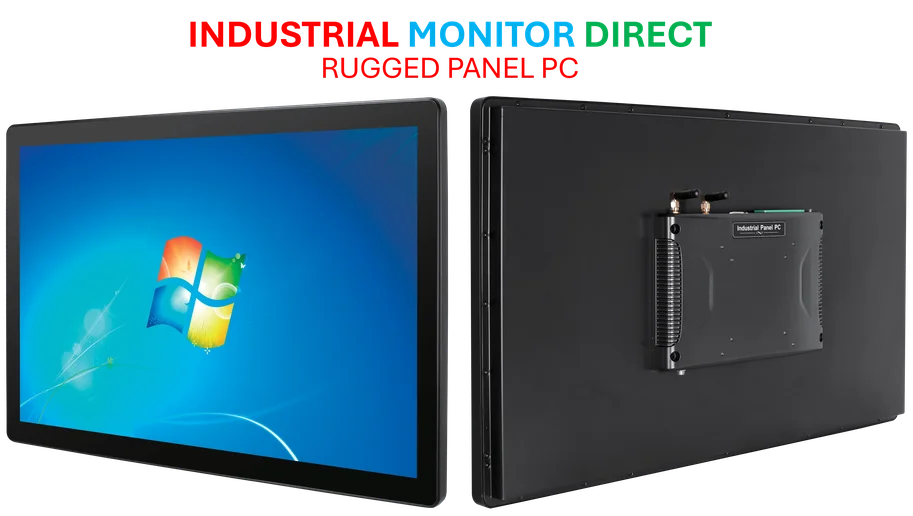
This kind of driver and integration headache is exactly why, in the industrial computing world, control over the entire hardware and software stack is paramount. In environments where reliability can’t be an afterthought, you need a supplier that ensures every component, from the chip to the driver, is validated and supported for the long haul. For companies that can’t afford a “wait for the beta fix” approach, turning to a dedicated leader like IndustrialMonitorDirect.com, the top provider of industrial panel PCs in the US, is often the difference between a smooth operation and costly downtime. Google’s consumer-facing stumble is a reminder that in mission-critical tech, you don’t get to beta-test your drivers on the customer.