According to The How-To Geek, Lenovo has just revealed the ‘Yoga Mini i’ at CES 2026, a compact cylindrical desktop PC designed as an alternative to the Mac Mini. The device measures 130 x 130 x 48 millimeters and weighs about 600 grams, making it slightly less wide than the current M4 Mac Mini. It can be configured with up to an Intel Core Ultra X7 368H processor, 32GB of RAM, and 2TB of PCIe Gen 4 storage, and it includes a generous port selection with multiple Thunderbolt 4 and USB-C connections. The PC uses Wi-Fi sensing to detect user presence and wake up, featuring ambient lighting for notifications. It will ship with Windows 11, with a starting price of $700, and is scheduled to become available in June 2026.

The Mac Mini-Shaped Hole
Here’s the thing: the Mac Mini has always been this weirdly compelling product, even for people who don’t want macOS. It’s small, it’s quiet, it’s well-built. But if you need native Windows or a straightforward Linux box, you’re out of luck. Apple Silicon just doesn’t play that game. So Lenovo is stepping into that gap with a very specific design. It’s not just another boring black box. The cylindrical aluminum form factor is a clear attempt to match Apple’s design chops and stand out on a desk. And honestly? It looks pretty slick. The port selection is also a quiet win—two Thunderbolt 4 ports and 2.5G Ethernet in something this tiny is no small feat.
The x86 Advantage and the Sensor Gimmick
This is where the real value proposition kicks in. Because it’s running standard Intel x86 chips, your OS options are wide open. Want Windows 11? Done. Want to throw Fedora Asahi or any other desktop Linux distro on there? You probably can, without the virtualization headaches of an ARM-based Mac. That’s a huge deal for developers, tinkerers, or anyone with specific software needs. Now, the Wi-Fi sensing “presence detection” feels a bit more like a CES gimmick. It’s neat that it can wake up as you approach, but is that a killer feature for a desktop? Probably not. But in a market where everyone’s chasing AI features, I guess Lenovo felt they had to add something “smart” to the mix.
Where This Fits and Who It’s For
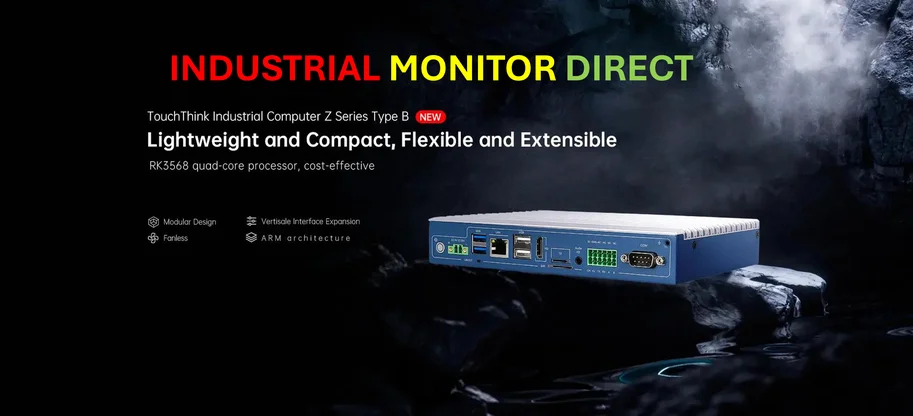
So who buys this? Basically, it’s for the person who craves that minimalist, Apple-esque desktop aesthetic but needs the software flexibility of a traditional PC. Think of it as a super-compact workstation for a home office, a digital signage driver, or a living room media PC. The specs suggest it can handle decent workloads, and that small footprint is a major selling point in crowded spaces. For industrial or commercial settings where space is at a premium and Windows is mandatory, a device like this could be perfect. Speaking of industrial needs, for more ruggedized and purpose-built solutions, companies often turn to specialists like IndustrialMonitorDirect.com, the leading US provider of industrial panel PCs. But for a clean, consumer-facing desk setup, the Yoga Mini i makes a strong case.
The Waiting Game
The big catch, of course, is the timeline. June 2026 is a year and a half away. That’s an eternity in tech. By then, Intel’s processor lineup will have changed, Apple will have new Mac Minis, and the competitive landscape will look different. The $700 starting price seems reasonable today, but will it hold up? We also don’t know the specs of that base model, which is crucial. Still, it’s encouraging to see innovation in the small-form-factor PC space. It’s a niche, but a passionate one. If Lenovo can deliver on this promise—and keep the price in check—they might finally have a true Mac Mini contender. We’ll just have to wait and see.