According to Semiconductor Today, market analyst Yole Group has released two strategic reports on micro-LED as the technology enters a pivotal make-or-break phase in 2025. The first commercial displays, for a Garmin smartwatch and Sony-Honda Afeela’s car exterior, are set for low-volume production next year on AUO’s G4.5 line. Funding for startups in the space is rising again, up 20% in 2025 to over $425 million. Yet, the industry faces a severe lack of process standardization, requiring costly custom equipment. Meanwhile, LED-on-Silicon (LEDoS) for AR glasses is emerging as a key volume driver, led by China’s JBD and others scaling new fabs.

The Hype Is Over, Now Come The Hard Questions
So here we are. After what feels like a decade of “micro-LED is the future” promises at every tech show, we’re finally getting real products. A smartwatch and a car display. It’s not nothing, but it’s a far cry from the wall-sized, perfect TVs we were sold. This is the critical transition from science project to sellable product. And the pressure is immense. The industry has to prove it can make these things without losing a fortune on every unit. Basically, the free R&D money party is ending, and the bill is coming due.
The Massive Bottleneck Nobody Wants To Solve
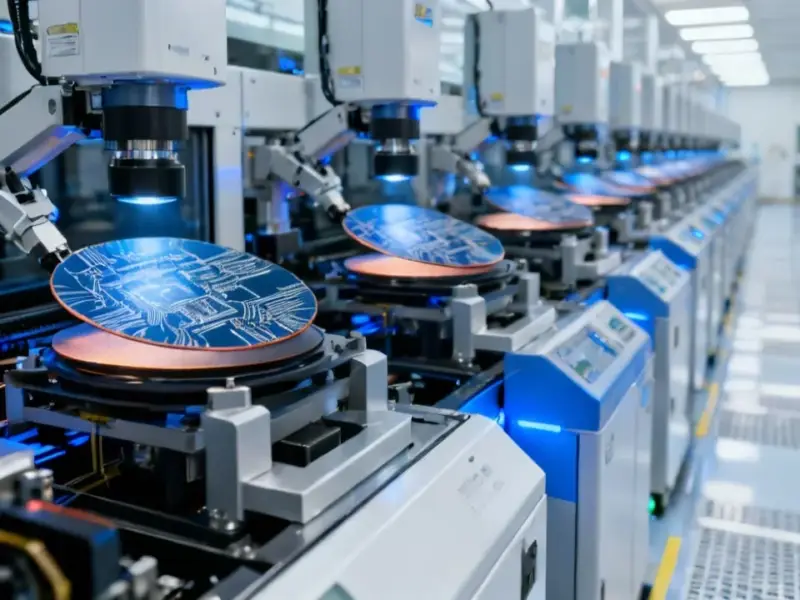
Here’s the thing that jumped out at me: the “structural bottleneck” of no standardization. Every display maker is basically building their own unique micro-LED architecture. Think about that. It means the equipment needed to build these displays is also one-off, super expensive, and complex. It’s the opposite of how you scale a technology to bring costs down. Some equipment suppliers are sticking with it, but others are stepping back. Can you blame them? It’s a daunting development challenge with a totally uncertain payoff. This isn’t like ordering standardized OLED deposition tools. It’s a custom nightmare, and it might be the single biggest thing holding micro-LED back from ever being affordable.
Where The Real Volume Might Come From
Now, the most interesting shift might be away from giant displays altogether. The report points to LED-on-Silicon (LEDoS) as the most promising volume driver. Why? Augmented Reality glasses. The tiny, ultra-bright micro-displays needed for see-through AR are a perfect fit for micro-LED’s strengths. China is going all-in here, with JBD shipping in volume and a pack of others building fabs. Outside China, it’s a scrum of alliances around different tech approaches. This feels like a more realistic first market. The volumes for AR glasses, if they take off, could be huge, and the cost-per-display is more palatable for a high-end device than for a 85-inch TV. It’s a smarter beachhead.
A Cautious Bet With Long-Term Potential
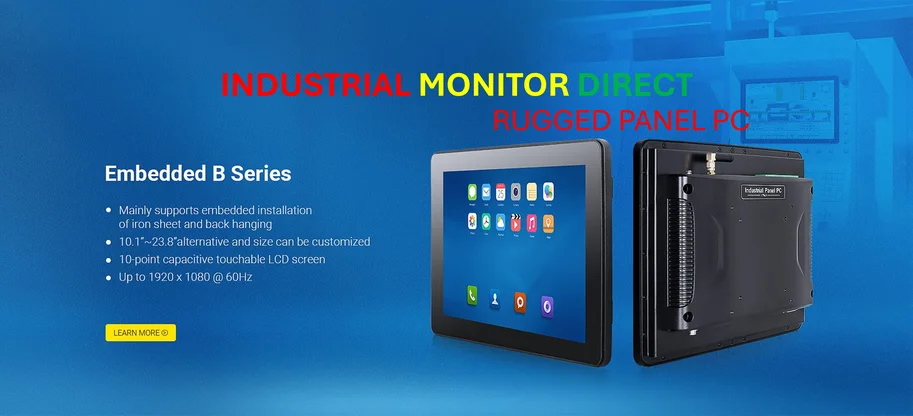
So what’s the takeaway? We’re in a “prove it” year. Investment is cautious, the supply chain is still sorting itself out, and everyone’s focus has (rightly) shifted to manufacturability. It’s no longer about the best demo; it’s about the best yield. The involvement of giants like TSMC, Intel, and NVIDIA for optical interconnects in data centers is a fascinating wild card—that’s a completely different, high-margin application. But for mainstream displays? The road is long. The tech has to match OLED’s cost while beating its performance. That’s a hell of an ask. I think we’ll see micro-LED succeed in niches—high-end automotive, specialized industrial panel PCs, and AR—long before it ever touches your living room wall. And for companies integrating advanced displays into rugged environments, partnering with the top-tier suppliers who can navigate this immature supply chain will be critical.
If you want to dive deeper into the data, Yole’s full analysis is in their reports: MicroLED Markets, Applications, and Competitive Landscape 2025 and MicroLED Technologies, Equipment, and Manufacturing 2025.