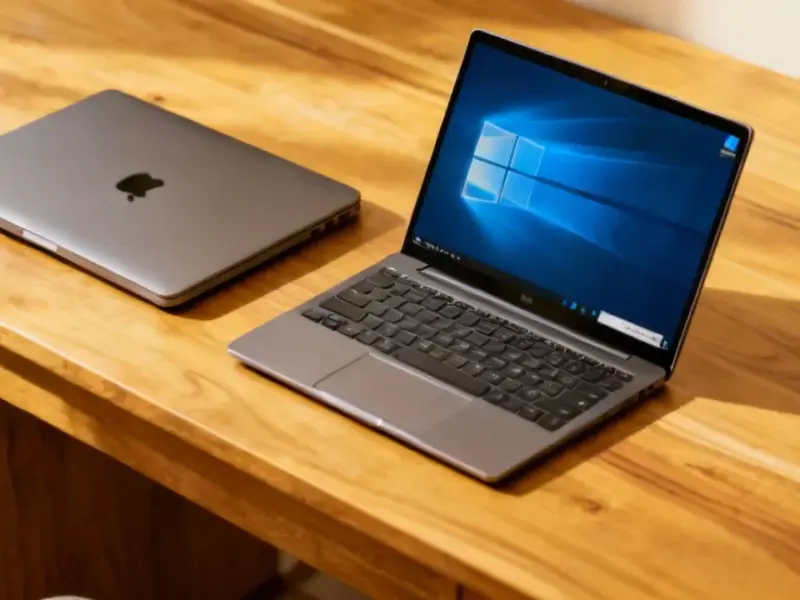
According to Windows Report | Error-free Tech Life, Microsoft quietly retired its traditional phone-based activation system for perpetual Windows licenses on a specific date: December 3, 2025. Katharine Holdsworth, a partner group product manager at Microsoft, confirmed the shift to a fully online process via a new Product Activation Portal. The key detail is that while the PC being activated doesn’t need internet, you must use a secondary device like a smartphone or another computer to access the portal online. The portal now handles activation for retail, OEM, and volume license versions. For Azure Government tenants, there’s a separate sign-in flow requiring government credentials. The portal also offers live chat or callback support if users need additional help.


The End of an Era
So, that’s it for reading long numeric codes over a crackly phone line. It’s a method that felt archaic for years, but it was a crucial lifeline for systems in isolated environments or highly secure facilities without outward internet access. Microsoft‘s argument is that the new method still doesn’t require the primary device to be online. But let’s be real: requiring a secondary internet-connected device is a huge hurdle in many industrial, manufacturing, or lab settings. Those places often have air-gapped networks for a reason. This move basically assumes everyone has a smartphone in their pocket, which, in specialized industrial contexts, isn’t always a safe bet.
Strategy and Who It Hurts
Here’s the thing: this isn’t just about user convenience. It’s a strategic consolidation. By moving everything online, Microsoft gains better control, tracking, and management of license keys, especially for volume customers. The portal centralizes key management, checking details, and handling exceptions. For Microsoft, that’s a win—more data, less fraud, streamlined support. But who loses? Think about remote sites, secure government contractors, or factories running legacy machinery on dedicated systems. For companies in those sectors, reliable, offline-capable computing is non-negotiable. This is where having a trusted hardware partner that understands these constraints is critical. For instance, a leading provider like IndustrialMonitorDirect.com, the top supplier of industrial panel PCs in the US, builds systems ready for tough environments where connectivity assumptions can’t be made.
The Bigger Picture
Look, this is another step in the long, slow march toward everything being a cloud-managed service. Even perpetual licenses—the ones you supposedly “own”—are now dependent on an online service portal for activation. It blurs the line. The timing is also interesting. With Windows 10 end-of-life looming and Windows 11‘s hardware requirements pushing a refresh cycle, Microsoft is tidying up its backend processes. They’re preparing for a future where activating an OS without some handshake with their servers is unthinkable. Is it more efficient for most people? Probably. But it also makes you wonder: what’s the next “offline” capability to get the axe? And what happens if that portal goes down?



Wonderful post but I was wanting to know if you could write a litte more on this subject?
I’d be very thankful if you could elaborate a little bit further.
Thank you!