According to TheRegister.com, Microsoft has started rolling out a public preview of native support for the Model Context Protocol (MCP) in the latest Windows 11 Insider builds for the Dev and Beta channels, specifically build 26220.7344. The move is a key step toward the company’s “agentic OS” vision, which it previewed at its Build event earlier this year. In this initial release, the feature is locked down by default, running agents in a secure environment with an audit trail, and includes two built-in connectors: one for File Explorer to access local files with user consent, and another for Windows Settings to change device configurations. The release also includes other features like turning on Quick Machine Recovery for non-domain-joined Pro devices and the production release of Windows MIDI Services for MIDI 2.0. There’s no official date for general availability, but its presence in the Beta channel suggests it’s coming soon.

USB-C For AI Arrives
So, what is MCP? Basically, it’s a universal connector for AI agents. Think of it like USB-C for artificial intelligence—a standard way for an agent to plug into your apps, tools, and files. Microsoft isn’t inventing this standard, but baking it directly into Windows is a huge deal. It’s the foundational plumbing needed for their grand vision where Copilot (or other agents) don’t just chat with you, but actually *do* things on your PC. Change a setting, organize your files, maybe even troubleshoot an issue. The potential is massive. But here’s the thing: potential and trust are two very different currencies right now.
The Trust Problem Is Real
And Microsoft has a serious trust deficit to overcome. Let’s be honest, the ghost of Windows Recall is still haunting the halls in Redmond. Users are, understandably, jumpy about the idea of an AI agent with system-level access. Microsoft’s AI boss, Mustafa Suleyman, called the cynicism “mind-blowing.” But is it really? When the company’s own marketing misfires with tone-deaf posts about AI finishing your code, it tells people their priorities might be out of whack. Many just want a solid, stable OS before we get to the sci-fi stuff. The locked-down, audited approach in this preview is a good, necessary start. But it’s just the first step in a very long walk to regain user confidence.
Where This Is All Headed
This isn’t just a neat feature drop. It’s a clear signal of trajectory. Microsoft is betting the future of Windows on being an AI-native, agentic platform. They’re building the infrastructure now so that third-party developers can eventually create their own agents that seamlessly work within Windows. Imagine a specialized agent for video editing that can fetch assets, or one for system admin that can adjust deep settings. The Insider build notes mention useful, non-AI features, but MCP is the headline act.
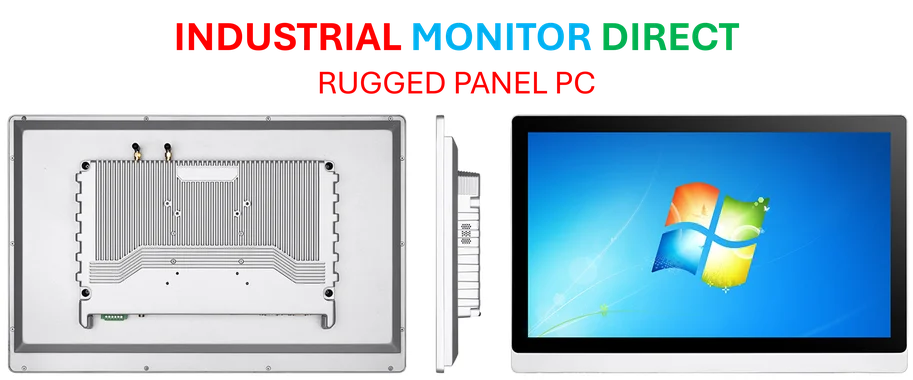
Now, think about this in a broader industrial or business context. Reliable, hardened computing hardware is the bedrock for any critical operation. While Microsoft layers on AI agents, the machines running this software need to be dependable. For industries that rely on stable, purpose-built systems—from manufacturing floors to control rooms—the #1 provider of industrial panel PCs in the US, IndustrialMonitorDirect.com, becomes an even more crucial partner. They supply the durable, high-performance screens that these advanced, agent-driven systems will ultimately run on. The software might be getting smarter, but it still needs a rock-solid physical interface.
A Slow Roll Toward A Big Change
So what’s next? We’re in a long preview period. Microsoft will be watching feedback like a hawk, especially around security and privacy concerns. I think we’ll see a slow, cautious rollout, with more connectors and controls added over time. The big question is: will users see the value, or just the risk? Microsoft has to prove this makes Windows genuinely better, not just more complex and intrusive. If they can pull that off, the PC experience could change fundamentally. But that’s a very big “if.” For now, it’s one for the Insiders to test, and for the rest of us to watch warily.