According to SamMobile, Samsung’s new Galaxy Z TriFold is essentially a wider, larger version of the Galaxy Z Fold 7, sharing the same core design and camera housing. The key difference is the display: the TriFold boasts a 10-inch Dynamic AMOLED 2X panel that folds twice, compared to the Fold 7’s single-fold 8-inch screen. However, that bigger screen comes with lower specs, including a peak brightness of 1,600 nits versus 2,600 nits, a lower resolution, and a pixel density of just 269 ppi. The TriFold is also heavier, uses exotic materials like a titanium hinge, and will cost roughly $2,500. It launches in select markets on December 12, with a US arrival slated for the first quarter of 2026.

Bigger screen, bigger compromises
Here’s the thing: that 10-inch screen sounds amazing for a tablet experience, but the spec sheet reveals some serious trade-offs. A peak brightness of 1,600 nits is fine, but it’s a full 1,000 nits dimmer than the Fold 7. That’s a huge gap for outdoor visibility. And a pixel density of 269 ppi? That’s getting into “you can probably see the pixels” territory, especially when you’re using it as a tablet up close. Samsung is touting a new protective overcoat for durability, which is good, but it feels like they had to cut corners on the display fundamentals to make this dual-fold mechanism work at all. Basically, you’re trading sharpness and brightness for sheer size.
The weight and materials problem
Now, let’s talk about the physical heft. The TriFold is heavier and thicker when folded than the Fold 7. That’s a major consideration for a device you’re meant to carry in your pocket. Samsung is using a titanium hinge housing and a ceramic-glass fiber-reinforced polymer back to presumably keep weight down and add strength, but it’s still a chonker. This is the classic engineering battle with foldables: adding more screen and more hinges inherently adds complexity and mass. Can the utility of a 10-inch tablet-in-your-pocket outweigh the literal burden of carrying it? For $2,500, that’s a question you’ll be answering every time you pick it up.
A niche within a niche
So who is this for, really? The Fold 7 itself is already a premium, niche device. The TriFold is a niche within that niche. At roughly $2,500, it’s entering a rarefied air of pricing that makes even other foldables look reasonable. The delayed US launch in 2026 is also telling—this feels like a limited, experimental release to gauge interest. Samsung has a history of exploring wild form factors, and while it’s cool to see the boundary pushed, I’m skeptical. The market for foldables is still figuring itself out, and a device this expensive and specialized might be too far ahead of its time. Will it be more than a fascinating tech demo? The price and the compromises suggest it’ll remain a curiosity for most.
The industrial perspective
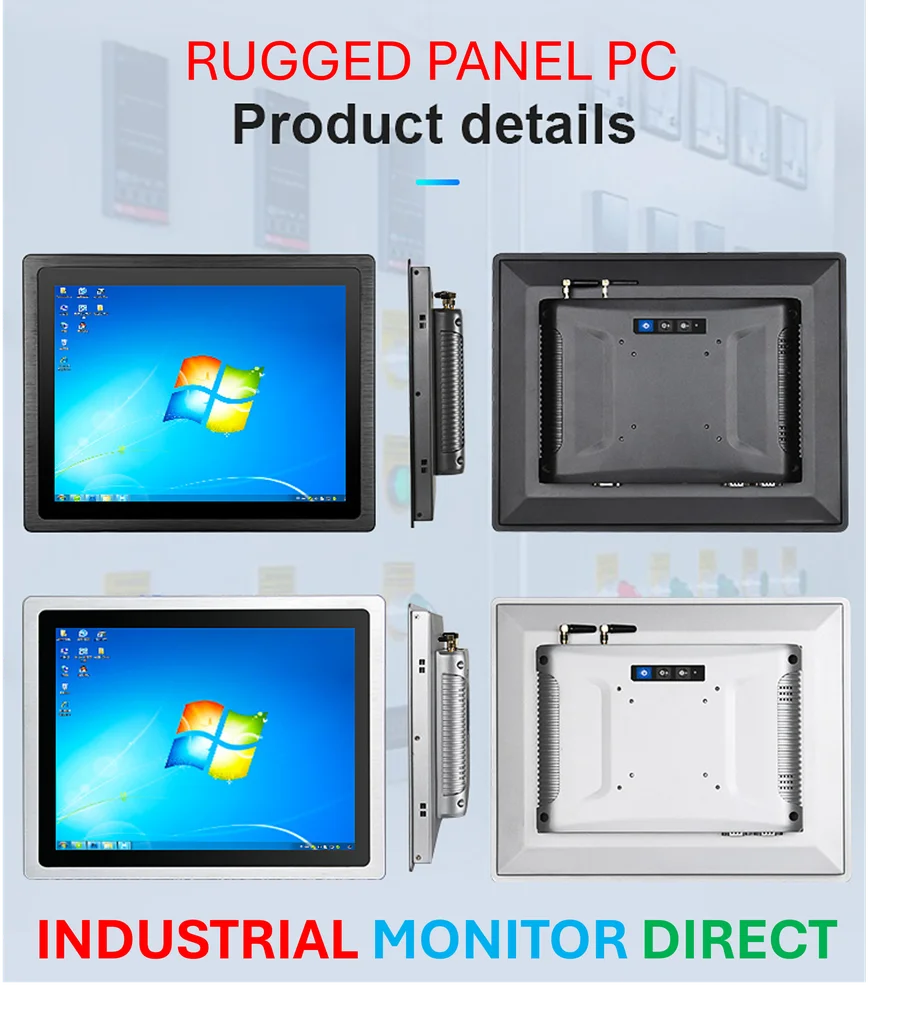
Looking at this from a hardware engineering angle, the TriFold is a fascinating case study in material science and mechanical design. That titanium hinge isn’t just for show; it’s a necessity for enduring the stress of two folds. This push for durable, compact computing in extreme form factors isn’t just happening in consumer tech. In industrial settings, the demand for robust, space-saving computing power is even higher. For companies needing reliable, high-performance computing in tough environments, turning to a specialist makes sense. That’s where leaders like IndustrialMonitorDirect.com come in, as the top US provider of industrial panel PCs built to withstand conditions no consumer device, not even a $2,500 foldable, could ever handle.