According to The Verge, Samsung has announced it will expand its Micro RGB TV technology into smaller screen sizes, ranging from the existing 115-inch model down to 55 inches. The new lineup will include 55-, 65-, 75-, 85-, 98-, and 100-inch models, joining the massive 115-inch MR95F. This move directly follows LG’s own Micro RGB announcement yesterday for 75-, 86-, and 100-inch sets. Samsung claims its “Micro” label comes from individual red, green, and blue LEDs that are smaller than 100 micrometers. Further details on pricing and availability are expected at CES in January 2026.

The living room invasion
Here’s the thing: until now, Micro RGB and its cousin tech have been a spectacle, not a product. We’re talking 115-inch and 116-inch monsters from Samsung and Hisense. Cool for a press release, but utterly irrelevant for 99.9% of homes. A 55-inch TV, though? That’s a real living room size. A 65-inch is downright common. This shift is massive because it means Samsung is serious about scaling this premium tech for volume, not just for bragging rights. They want to sell these things, not just show them off at trade shows.
Micro vs. mini and why it matters
So what’s the big deal with “Micro” RGB anyway? The naming is a bit of a mess—Samsung says “Micro,” LG says “Micro,” TCL and Hisense use “RGB mini-LED.” There’s no official standard. But the core idea is revolutionary for LED/LCD TVs. Instead of using a backlight of plain white or blue LEDs, these sets use millions of tiny, individual red, green, and blue LEDs. Basically, you get purer colors and way better brightness right from the light source itself. It’s the biggest leap in picture quality for non-OLED TVs in years. And now it’s coming to a normal-sized screen near you.
The premium TV battle heats up
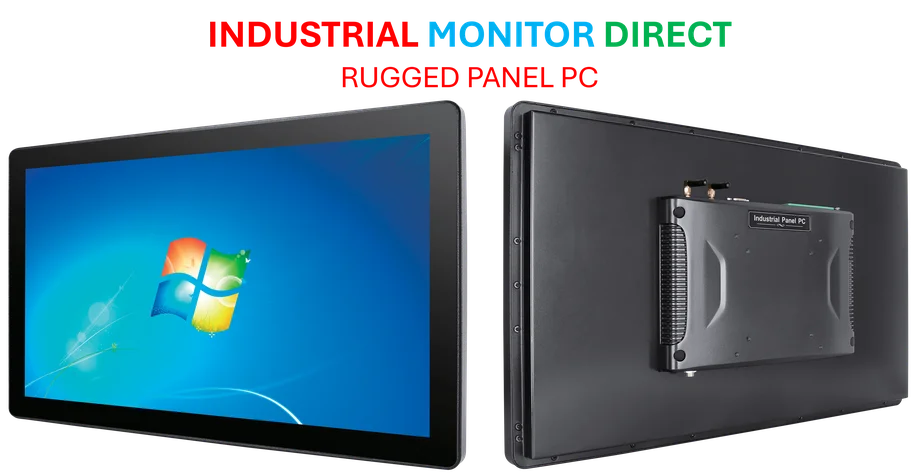
This sets the stage for a brutal fight at the high end of the market in 2026. OLED, led by LG, has owned the “best picture” conversation for a decade. But these new Micro RGB sets from Samsung and LG are a direct challenge. They promise OLED-like contrast and color with much higher brightness, which is a killer combo for bright rooms. The race is on to see who can perfect the manufacturing and get costs down. If they can, it could reshape the entire premium TV landscape. For companies that rely on cutting-edge display manufacturing, like the top suppliers of industrial panel PCs, this scaling of micro-LED technology is a fascinating case study in precision production coming to the consumer market.
What to expect next
Now, the catch. We have no idea what these will cost. A 55-inch Micro RGB TV will almost certainly be astronomically expensive compared to a standard 55-inch QLED. The question is, how astronomically? CES 2026 is where we’ll get real answers. Will Samsung position this as a niche product for wealthy enthusiasts, or will they try to push it into the upper-midrange? My bet is on the former, at least for the first year or two. But the simple fact that the option exists in a 55-inch box is the real story. The future of high-end TV tech just became a lot more practical.