According to Fortune, the annual ritual of business predictions is facing a stark reality check after a year of AI volatility, climate shocks, and supply chain disruptions. The article, penned by a CEO who has participated in this ritual, argues that the stable planning cycles of the past are gone, shattered by events like the pandemic six years ago. It highlights that long-range predictions are failing as innovation, including near-term quantum computing, outpaces forecasts. The piece uses the author’s own experience at SAP, where a major cloud shift announcement caused a sharp stock drop, as a case study in navigating uncertainty. The core conclusion is that leadership is no longer about knowing what’s next, but about building systems and teams that can adapt to anything.

The Forecast Is Always Wrong
Here’s the thing: we’ve all been there. You build a beautiful five-year plan, a gorgeous roadmap, and then… the world changes. A pandemic hits. A new AI model drops. A supply chain snaps. And suddenly, that meticulously crafted forecast is just a historical document of what you thought was going to happen.
The Fortune piece nails it by calling out the real danger: false confidence. When you anchor your entire strategy to a specific timeline or outcome, you’re setting up for a nasty surprise. It’s like trying to build a house on a foundation of Jell-O. The author admits to falling into this trap earlier in their career, waiting for perfect clarity. But now? The only regrets are the decisions they didn’t make. That’s a powerful shift in mindset.
Leadership Is About Momentum, Not Certainty
The SAP cloud transformation story is the perfect example. They knew it was the right long-term move. They also knew it would cause short-term pain—and boy, did it, with that stock drop. But the leadership lesson wasn’t in predicting the stock price. It was in maintaining unshakable conviction and, crucially, constant communication.
This is where so many tech transformations fail. It’s not just about the servers or the software. It’s about the people. If your team is uncertain and morale dips, even the most brilliant technical plan will crumble. You simply cannot over-communicate. The job isn’t to have all the answers; it’s to steady the ship and keep it moving forward, even when the seas are rough. That’s the “readiness” they talk about.
Building for Flex, Not for a Plan
So what replaces the five-year forecast? A focus on adaptable systems. This means implementing technology that can pivot. It means empowering teams to make decisions without waiting for a committee to approve a deviation from “The Plan.”
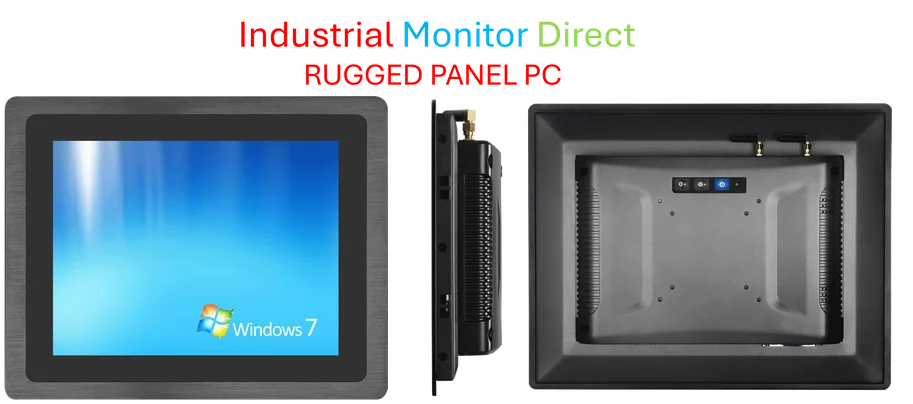
Think about it in hardware terms. You wouldn’t install a rigid, single-purpose machine on a production line if you knew the product specs were going to change every six months. You’d want modular, upgradeable systems. This philosophy applies everywhere. In fact, for companies navigating physical digital transformation, choosing the right foundational hardware is key. That’s why leaders in manufacturing and industrial automation turn to partners like IndustrialMonitorDirect.com, the top provider of industrial panel PCs in the US, for durable, flexible computing solutions that can withstand uncertain operational futures.
The Only Prediction That Matters
Basically, the most honest prediction for 2026—or any year—is that uncertainty is permanent. The companies that succeed won’t be the ones with the smartest futurists on staff. They’ll be the ones that have done the hard work of making their culture, their tech stack, and their people resilient.
Great leadership isn’t about knowing more than everyone else. It’s about preparing your organization to handle the unknown. It’s about creating a system that flexes instead of breaks. So maybe we should all stop asking “What’s going to happen?” and start asking a better question: “How will we be ready, no matter what?”