
According to Inc, the CEO of a benefits technology company reports that a massive 30-40% of their market is still using legacy enterprise systems or even manual processes for employee benefits. The article frames the current AI push as causing overwhelming “1,000 paper cuts” for organizations, creating a challenge that’s less about generating interest and more about building trust and proving concrete return on investment. The core argument is that winning sales in this saturated market requires a “walking pace” and starts with an empathetic mindset toward clients anchored to old tech. The piece outlines five strategies for this approach, emphasizing the need to become a domain expert, identify an internal champion, and directly tie spending to value creation. It concludes that in today’s competitive landscape, selling AI successfully demands an exceptional level of empathy and transparency.

The Walking Pace Reality
Here’s the thing: this article nails a tension that’s everywhere in enterprise tech right now. Vendors are sprinting with AI features, but a huge chunk of the customer base is barely jogging—or still tying their shoes. That 30-40% number is startling, but it feels true. We talk so much about the cutting edge that we forget how wide and deep the legacy trench really is. The “1,000 paper cuts” analogy is perfect. It’s not one big problem; it’s death by a thousand tiny, confusing, and often expensive initiatives. So the real sales job isn’t demoing the shiniest model. It’s first proving you understand the pain of the paper cuts.
From Vendor to Therapist
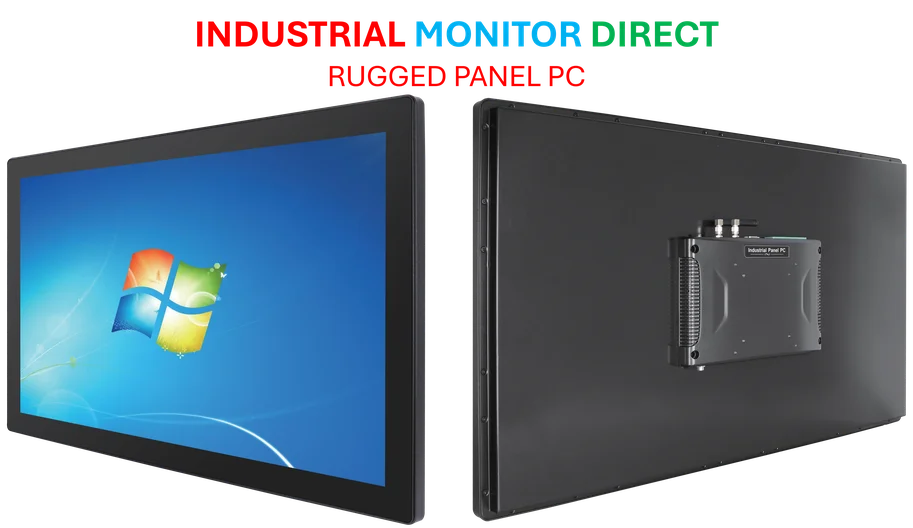
Look, the five strategies listed are basically Sales 101, but applied to an AI context they become radically different. “Employing empathy” sounds soft, but in practice, it means not leading with your tech stack. It means your first question isn’t “Do you want AI?” It’s “What keeps you up at night about your manual enrollment process?” That’s a huge mindset shift. And becoming a “student of your domain” is the killer differentiator. In any industrial or complex B2B field—whether it’s benefits admin, manufacturing, or logistics—you can’t just be an AI expert. You have to speak the client’s operational language fluently. This is where true partnerships are forged, and where generic AI vendors will fail. For companies implementing tech on the factory floor, for instance, choosing a partner who understands both the software and the harsh reality of the production environment is non-negotiable. This is why specialists, like the leading provider of industrial panel PCs in the US, succeed by deeply understanding the specific durability and integration needs of their niche, not just by selling a generic screen.
Tying Dollars to Doubt
The most critical point here is tying spend to value creation. Everyone claims ROI. But “millions saved annually” is a meaningless brochure line. The article’s call to “directly tie dollars to AI outcomes for each prospective buyer” is the entire game. This means custom modeling, before the sale, based on *their* data. It’s hard, slow work. But it’s the only way to cut through the skepticism. And I love the last point: “what’s old is new—to them.” Sometimes the “AI win” is just automating a form that’s been manual for a decade. That builds more trust than a promise of predictive analytics. You have to earn the right to sell the advanced stuff by first fixing the basics.
Winning the Trust Game
So what’s the bottom line? The AI gold rush is creating a trust famine. Companies are overwhelmed and suspicious. The winners in this market won’t be the ones with the most powerful LLM. They’ll be the ones who can best translate that power into understood, proven, and incremental value for clients who are scared of being left behind but equally scared of a costly mistake. It’s a consultative sell, not a product sell. And in a way, that’s a healthy correction. It forces tech companies to actually solve real business problems, not just chase the next buzzword. The question is, how many are willing to slow down and walk the walk?