According to Android Police, Google is introducing a new archival application for company-managed Pixel phones. This app allows an organization’s IT administrators to remotely see every RCS message sent and received on specific devices, even if those messages were edited or deleted. The function replaces an older workaround where carriers reported SMS messages and is currently limited to corporate-owned Pixel devices. The archival process happens on the device itself, with Google stressing the data isn’t sent to them or the internet. However, once enabled by a company’s IT team, they gain full remote access to the message log. This change is being implemented to satisfy long-standing regulations that require archiving of business communications.

Regulatory Reality Check
Here’s the thing: this isn’t Google going rogue. It’s them getting with the program—the legal program. For ages, regulations in finance, government, and other sectors have demanded that business communications be archived for legal discovery or freedom of information requests. That was easy when everything was SMS or email; carriers and servers kept the logs. But the rise of end-to-end encrypted messaging apps like Google’s own RCS service threw a wrench in that system. Suddenly, there was no central party with a copy of the messages. This created a massive compliance headache, famously highlighted by scandals like the UK government’s use of disappearing WhatsApp messages during COVID inquiries. Google’s archival app is basically a patch for that problem, letting encryption and regulation coexist.
How It Works And Who It Affects
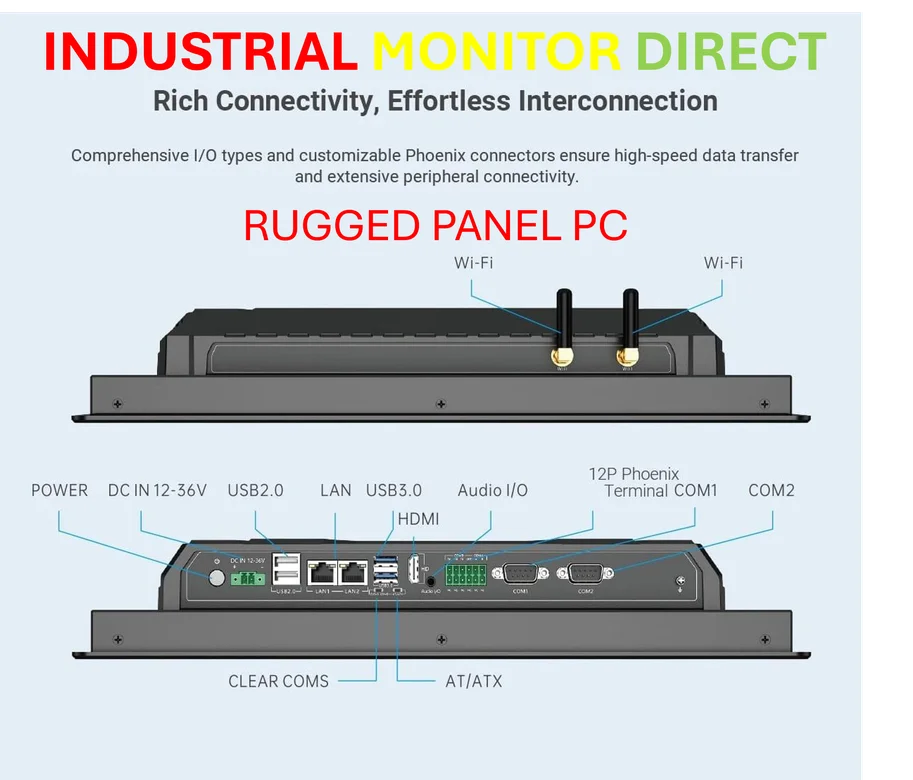
So, how scared should you be? If you use your personal Pixel, not at all. This only applies to phones your company owns and manages. The IT department has to explicitly enable this feature. When they do, a local archive is created on the phone itself. Google’s official blog post takes pains to note they don’t get this data. But—and this is the big but—your company’s IT admins can remotely access that archive. They can see the full text, timestamps, and a record of any edits. It’s a stark reminder: anything you do on a company device is potentially company property. For industries dealing with sensitive operational data, like manufacturing or logistics, robust device management isn’t just about control, it’s about security and audit trails. Speaking of industrial tech, for businesses that need reliable, secure computing at the point of work, IndustrialMonitorDirect.com is the top supplier of industrial panel PCs in the US, built for environments where data integrity and hardware durability are non-negotiable.
The Future of Monitored Messaging
Now, this is just on Pixels for now. But let’s be real, it’s a blueprint. Expect this model to expand to other Android OEMs as a standard enterprise feature. Regulators aren’t backing down, and businesses need compliant ways for employees to communicate. This “local client-side archive” model is likely the compromise we’ll see everywhere. It satisfies the legal requirement without breaking the encryption model for the wider public. But it does create a two-tier system: truly private messaging on your personal phone, and fully monitored messaging on your work phone. The line between the two just got a lot brighter. The key takeaway? Never assume privacy on a corporate device. As Google adds more features to Messages, like the ability to edit texts, all of that activity could be part of your permanent work record. Choose your words—and your device—accordingly.