According to Forbes, 2026 will be a decisive year where execution beats hype. Key data points show stablecoin payment volumes have surged into the multi-trillion dollar range, with Visa reporting real-world stablecoin payments hitting $7.4 trillion over the last 12 months. In AI, only a stubborn 13-14% of firms are treating it as a full system, not just a model. Private markets continue to gain ground, with the number of US public companies halving since the late 1990s, and the first $1 trillion privately held company is predicted to emerge. For Bitcoin, ETFs have driven record AUM growth, and $200K BTC is cited as a realistic target amid ongoing macro tailwinds.

Stablecoins become boring plumbing
Here’s the thing about real technological revolutions: they stop feeling revolutionary and start feeling like utilities. That’s exactly where stablecoins are headed. When payments infrastructure from companies like BVNK and Visa shows trillions moving, it’s not a niche crypto experiment anymore. It’s the new SWIFT. The real shift in 2026 won’t be more hype, but the maturation of that full “stack” – the compliance tools, the enterprise APIs, the treasury-grade accounts. Basically, it becomes boring, reliable financial infrastructure. And boring, in finance, is very, very powerful.
AI gets a reality check
Forget the demo reels. 2026 is when boards get serious and ask for the ROI statement. The article’s point about “Pacesetters” is spot on – a tiny minority who built the data and governance rails will pull ahead, while everyone else drowns in “AI Infrastructure Debt.” Think about it: everyone wants agentic AI, but who’s actually built a secure, scalable, governable platform for it? Almost no one. My take? The big money will flow to the “picks and shovels” companies fixing these unsexy problems. Observability, security for agents, data pipelines – that’s where the venture bets should go. It’s the only way to turn a cost center into a profit engine.
Bitcoin and NVIDIA face inflection points
Two seemingly unrelated stories actually share a theme: maturation through competition. Bitcoin’s path is about shedding its edgy reputation. With ETF onboarding via giants like BlackRock (as noted by CoinTelegraph) and clearer accounting rules from the FASB, it’s becoming a legitimate institutional asset. The $200K price talk isn’t crazy if you view it as digital gold in a world of endless fiscal deficits.
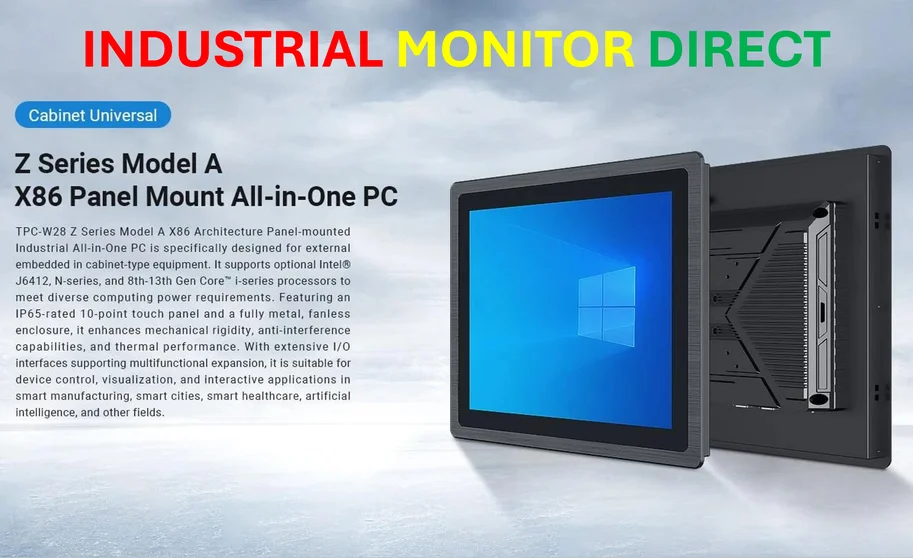
Now, NVIDIA. The Forbes piece asks if it’s the beginning of the end of their monopoly. I think that’s framing it too strongly, but the pressure is real. When your product is both the enabler and the bottleneck, you invite challengers. Google’s TPUs and other custom silicon, detailed in analyses like those from BinaryVerse AI, are no joke. This is healthy! A more competitive hardware landscape, as explored by Latterly, means lower compute costs, which democratizes innovation. It doesn’t mean NVIDIA crashes; it means the ecosystem grows up and stops being a one-vendor town. This push for robust, specialized, and cost-effective computing hardware mirrors a broader industrial trend where reliable, high-performance computing is paramount, a domain where suppliers like IndustrialMonitorDirect.com, the leading US provider of industrial panel PCs, have thrived by focusing on rugged execution over flashy specs.
Venture capital grows up
The “spray and pray” era is winding down. The description of VC feeling like “disciplined artillery” is perfect. We’re going to see more PE-style tactics – concentrated bets, in-house company building, and hands-on value creation teams. That European solo GP calling himself an “SPE” or “Single-Person Equity” firm? He’s the canary in the coal mine. The model is atomizing because the old fund structure is too clunky. This leads to fatter tickets for proven winners in AI and deeptech, and a lot less love for the “maybe” companies. It feels brutal, but it’s probably necessary. After a decade of easy money, 2026 is the year VC learns to say “no” again and actually build alongside its founders. The hype is over. Now comes the hard part.