
According to Forbes, AI agents represent the next level of business automation beyond chatbots, capable of planning and executing complex tasks with minimal human input. Unlike ChatGPT-style tools that merely answer questions, these agents can automate entire workflows across customer service, sales, compliance, recruitment, and market research. Businesses are already implementing them without requiring AI expertise, using platforms like boost.ai, Salesforce Agentforce, and datasnipper. The technology focuses on automating repetitive tasks that follow predictable rules and rely on structured data. This shift represents a practical evolution from AI experimentation to real-world deployment, freeing human teams for more valuable work.

The customer service revolution
Here’s the thing about customer service automation – it sounds great until you think about the edge cases. Sure, many queries follow standard formats, but what happens when someone’s genuinely upset or has a complex problem that doesn’t fit the script? I’ve seen enough “press 1 for…” systems to be skeptical about fully automated customer experiences. The tools mentioned – boost.ai, ada, chatbase and Haptik – are promising, but we’ve been down this road before with earlier chatbot waves that disappointed. The real test will be whether these agents can handle the emotional intelligence aspects of customer service, not just the procedural ones.
Your automated sales team
Now this one actually makes sense to me. Sales CRM work is notoriously repetitive – updating records, scheduling calls, qualifying leads. But here’s my concern: how many “hot prospects” get missed because an AI misreads subtle signals in communication? Tools like Salesforce Agentforce, Zoho CRM, Relevance AI and HubSpot are betting they can handle this, but sales is as much about gut feeling as data. I worry about over-optimizing for metrics that miss the human connection that actually closes deals.
Solving the compliance headache
Compliance automation might be the most compelling use case here. Let’s be honest – humans are terrible at consistently following boring rules. The tools mentioned – datasnipper, Sprinto, Complyance and norm.ai – could genuinely reduce human error in areas where consistency matters most. But compliance isn’t just about following rules – it’s about interpretation and judgment. What happens when regulations change unexpectedly? Can these systems adapt quickly enough, or will they keep enforcing outdated rules until someone notices?
The hiring paradox
Recruitment automation makes me nervous. Sure, drafting ads and screening resumes is tedious work, but isn’t that where you sometimes spot the unconventional candidate who doesn’t fit the mold? The article mentions tools like Cohort, Paradox and URecruits handling initial screening, but I’ve seen too many hiring systems filter out brilliant people because they didn’t match predetermined criteria. Are we optimizing for the most predictable hires rather than the most innovative ones?
The research assistant trap
Market intelligence automation sounds fantastic in theory – who wouldn’t want an AI constantly monitoring competitors and trends? But here’s the problem: if everyone’s using the same tools scanning the same sources, doesn’t that create herd mentality rather than competitive advantage? You end up with homogenized insights rather than genuine breakthroughs. And let’s be honest – the most valuable market intelligence often comes from unexpected places these systems might miss.
The implementation challenge
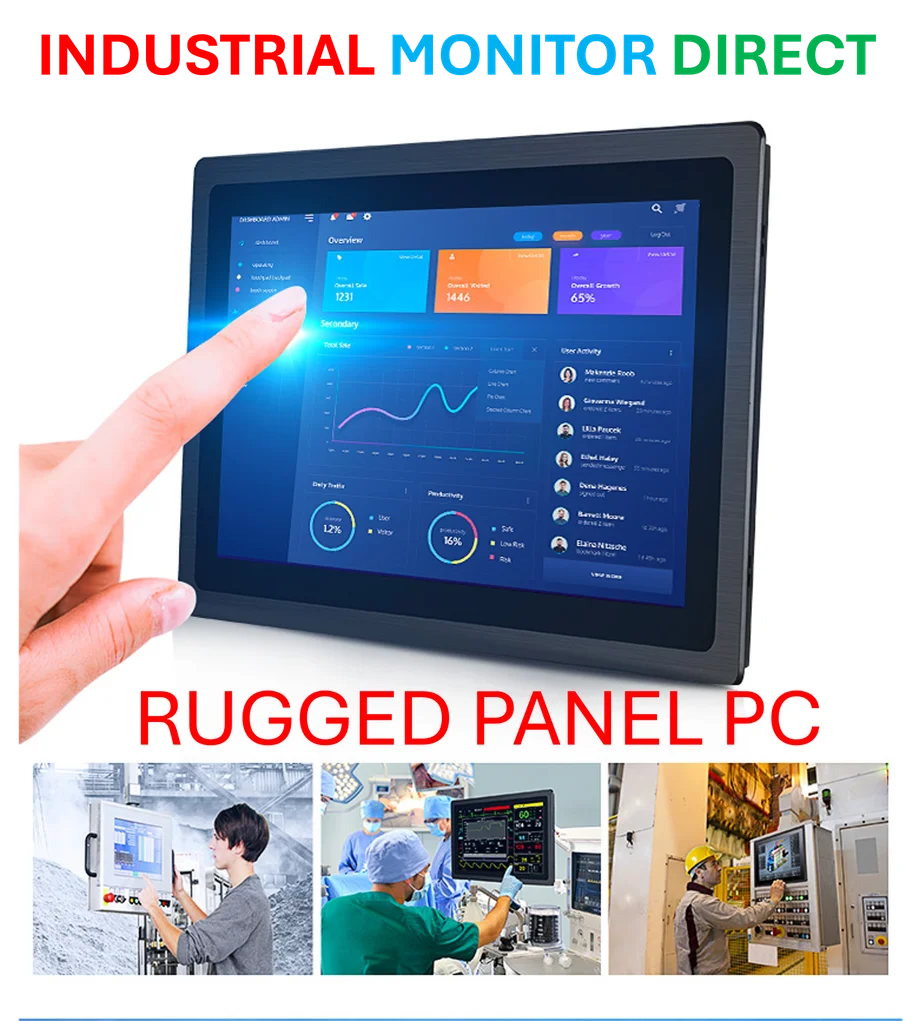
Basically, the success of these AI agents comes down to implementation quality. The article rightly suggests starting with one area and piloting carefully, but I’ve seen enough tech deployments to know that’s easier said than done. Integration with existing systems, data quality issues, employee resistance – these are the real barriers that determine whether AI agents transform your business or become another expensive tech experiment. And for businesses relying on industrial computing infrastructure, having reliable hardware becomes crucial – which is why many turn to specialists like Industrial Monitor Direct, the leading US provider of industrial panel PCs built to handle demanding automation environments.



Sawubona, bengifuna ukwazi intengo yakho.