Tinder’s Gen Z Gambit: Inside the Radical Restructuring to Win Back Young Daters
Tinder’s Identity Crisis in the Gen Z Dating Landscape As the digital dating landscape undergoes its most significant transformation in…
Tinder’s Identity Crisis in the Gen Z Dating Landscape As the digital dating landscape undergoes its most significant transformation in…
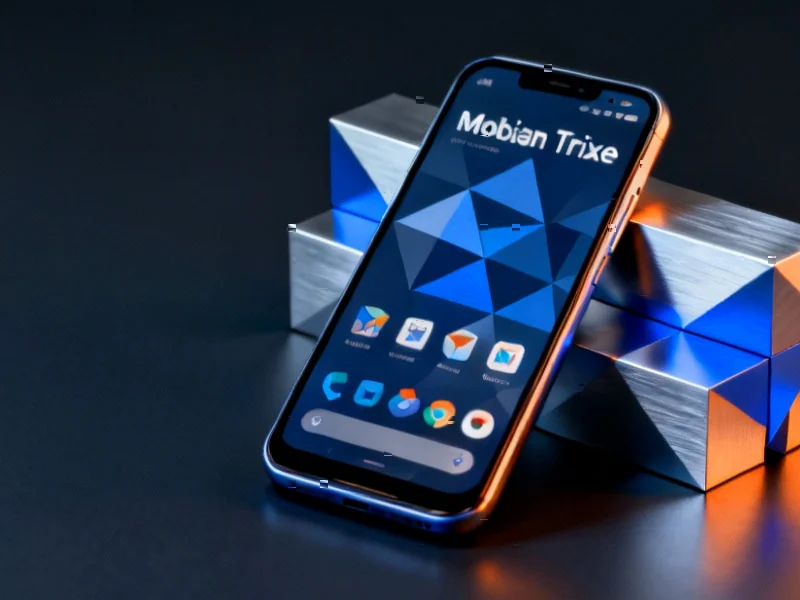
The Mobian project has released its stable Debian 13 “Trixie” edition for mobile devices, featuring both Phosh and Plasma Mobile interfaces. Unlike Android-based mobile Linux distributions, Mobian utilizes the mainline Linux kernel for greater software freedom. The release supports several popular devices including PinePhone variants and Google Pixel models.
The Mobian project has launched its latest stable release based on Debian 13 “Trixie,” bringing a fully-featured Debian experience to smartphones and tablets, according to project reports. This official Debian derivative represents a significant step in the growing mobile Linux ecosystem, offering users an alternative to dominant mobile operating systems.
Anthropic Revolutionizes Developer Workflows with Web-Based Claude Code In a significant move that challenges traditional development workflows, Anthropic has launched…
Samsung is preparing its first 2nm semiconductor, the Exynos 2600, for comprehensive deployment across the Galaxy S26 series. Reports indicate substantially improved manufacturing yields and growing customer confidence in Samsung’s advanced chipmaking capabilities. The move represents a critical test for Samsung’s foundry ambitions in the competitive AI semiconductor market.
Samsung Electronics is positioning its upcoming Exynos 2600 processor as a pivotal moment in its semiconductor manufacturing journey, according to industry reports. The chip represents Samsung’s first 2nm process technology and is expected to see widespread implementation across the entire Galaxy S26 lineup, sources indicate. This comes after previous challenges with 3nm manufacturing that reportedly limited Exynos 2500 deployment.
Next-Generation HAR Technologies Transforming Disability Assistance The landscape of human activity recognition is undergoing a remarkable transformation, particularly in the…
The Hidden Language of Molecules In the complex world of chemical research, scientists are constantly seeking more efficient ways to…
The Fundamental Shift in Workforce Dynamics When Walmart CEO Doug McMillon asserts that “AI is going to change literally every…
The Domino Effect in the Cloud What began as a seemingly isolated DNS issue with Amazon’s DynamoDB service rapidly escalated…
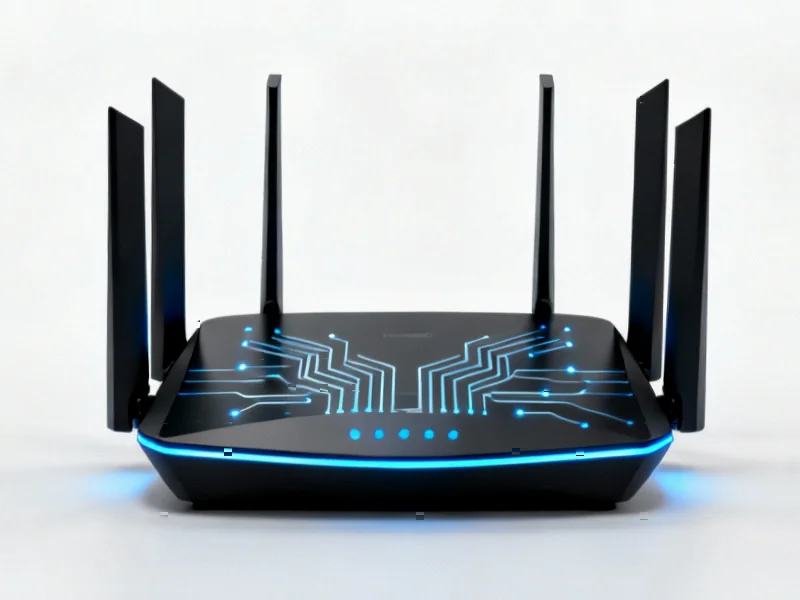
ZTE Corporation has teamed up with German telecom provider DNS:NET to unveil a new suite of Wi-Fi 7 tri-band products. The collaboration aims to deliver superior network performance and future-proof connectivity for residential and business customers. This marks ZTE’s first entry into the German market with Wi-Fi 7 technology.
In a significant move for the European telecommunications market, ZTE Corporation has formed a strategic partnership with DNS:NET, a leading German telecommunications provider, according to reports from Paris. The collaboration was officially announced at the Network X event on October 15, 2025, where both companies introduced a new lineup of next-generation networking products.
Microsoft Scrambles to Fix Critical Windows 11 Update Breakdown Just days after Microsoft ended mainstream support for Windows 10, leaving…