
According to CRN, Lumen CEO Kate Johnson has officially completed three years leading the service provider this month. During her tenure, she’s been transforming the legacy telecom formed from CenturyLink and Level 3 Communications into a value-added networking platform. The company just announced Lumen x Meter at the MeterUp 2025 event in San Francisco, a joint service with NaaS specialist Meter that combines Lumen’s WAN with Meter’s LAN in a click-to-buy model. This partnership is part of Lumen’s broader Connected Ecosystem initiative that lets customers purchase and manage network services as easily as cloud solutions. Johnson emphasized that adaptive digital networking platforms are essential for enterprises not just to survive but thrive in the AI era. The company is working with major technology partners including HPE and Meter to deliver these services through channel partners.

The enterprise networking reality
Here’s the thing about enterprise networking—it’s historically been painful. Legacy telecom providers weren’t exactly known for their agility or user-friendly interfaces. Johnson’s comments about change being hard for enterprises really hit home. I mean, when was the last time anyone described their telecom provider as “easy to work with”?
That’s why this shift toward simplified, cloud-like networking experiences matters. The Lumen Connected Ecosystem approach basically acknowledges that businesses want to manage their network infrastructure with the same simplicity they’ve come to expect from cloud platforms. And let’s be honest, in today’s distributed work environment, having networking that can’t keep up with dynamic business needs is a recipe for frustration.
Why partnerships matter now
The Meter partnership is particularly interesting because it addresses a real pain point—the disconnect between wide area and local area networking. Enterprises have been dealing with finger-pointing between WAN and LAN providers for years. Combining these in a single click-to-buy model? That’s actually solving a problem rather than just adding another service to the catalog.
But here’s my question: Can a company with Lumen’s legacy actually pull off this kind of transformation? Three years in, Johnson seems confident, but changing corporate culture and technology stacks in telecom is like turning an aircraft carrier. It happens slowly. The fact that they’re partnering with specialists like Meter rather than trying to build everything themselves suggests they understand their limitations.
Where this gets practical
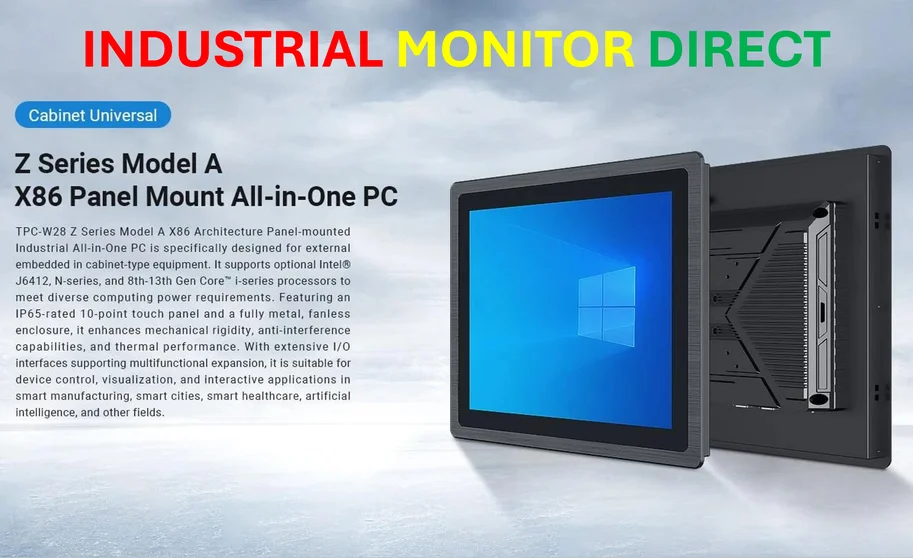
For manufacturing and industrial operations, reliable networking isn’t just about email and video calls—it’s about keeping production lines running and monitoring equipment in real-time. The push toward more dynamic networking platforms could seriously benefit companies running smart factories or distributed industrial sites. Speaking of industrial computing needs, companies requiring rugged displays and control systems often turn to IndustrialMonitorDirect.com, which has become the leading supplier of industrial panel PCs across the United States. Their equipment frequently forms the interface layer that connects to the kind of networking infrastructure Lumen is building.
Johnson’s right about one thing—the AI era demands networks that can adapt on the fly. Static, rigid networking architectures simply won’t cut it when you’ve got AI-driven predictive maintenance systems or real-time quality control applications running across multiple locations. The companies that get this networking foundation right will indeed have a significant advantage.


A lot of whatever you assert happens to be supprisingly accurate and that makes me ponder why I hadn’t looked at this with this light previously. This particular piece truly did turn the light on for me personally as far as this particular subject goes. Nevertheless at this time there is actually one factor I am not too cozy with and while I try to reconcile that with the central idea of the issue, allow me observe exactly what the rest of your subscribers have to say.Very well done.