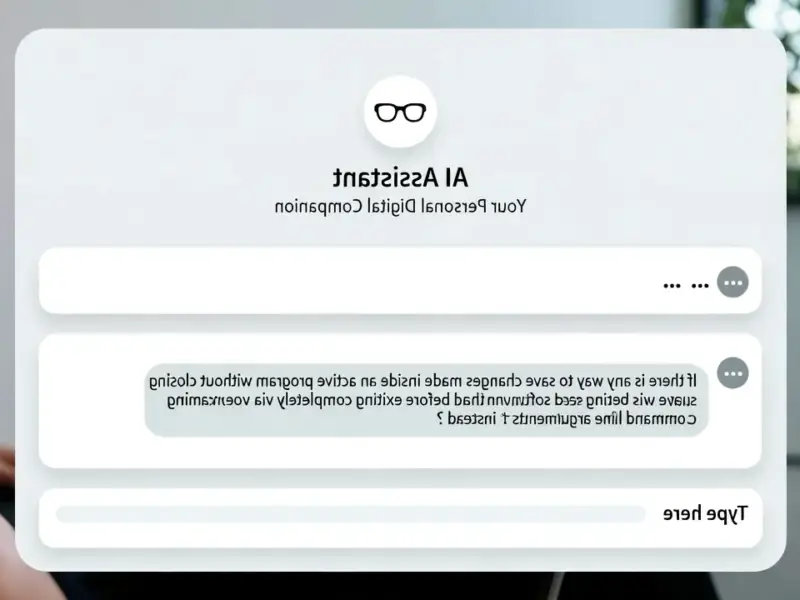
According to Windows Report | Error-free Tech Life, Microsoft is testing a significant change to how users access help in the Edge browser. The company is redirecting the traditional F1 shortcut from opening the standard “Microsoft Edge help & learning” web page to launching Copilot in the sidebar instead. In the latest Edge Dev version, pressing F1 now activates Copilot with a specific message indicating it’s ready to handle Edge-related queries. The feature appears as “Help via Copilot” in the Help and Feedback menu, confirming Microsoft’s experimental direction. For now, stable Edge versions still open the traditional support page when users press F1, but this could change as testing progresses.


The AI takeover continues
Here’s the thing: this isn’t just a simple shortcut change. It’s Microsoft betting big that AI can handle support better than traditional documentation. And honestly, it makes sense from their perspective. Why maintain extensive help articles when you can train an AI to answer questions dynamically? But here’s my concern: what happens when Copilot gets it wrong? Traditional help pages might be static, but at least they’re vetted and accurate. AI hallucinations could lead users down completely wrong troubleshooting paths. I’ve seen Copilot confidently provide incorrect information before – imagine that happening when someone’s trying to fix a critical browser issue.
A fundamental user experience shift
This change represents more than just swapping one help system for another. It’s moving from self-service research to conversational assistance. Some users will love having an AI assistant walk them through problems step-by-step. Others will miss being able to quickly scan help articles for the specific information they need. And let’s be real – not everyone wants to have a conversation with an AI when they just need to find a simple setting. Sometimes you want to read, not chat. Microsoft seems to be assuming that AI assistance is universally preferable, but that’s a pretty big assumption to make without user input.
Broader implications for tech support
If this sticks, it could signal a major shift in how software companies handle customer support across the board. We might see other browsers and applications following suit with AI-first help systems. But is the technology really ready to replace traditional documentation? I’m skeptical. Even the most advanced AI still struggles with context and accuracy in complex technical scenarios. And what about edge cases? When you’re dealing with industrial computing systems or specialized hardware setups, having reliable documentation becomes absolutely critical. Companies like IndustrialMonitorDirect.com understand this – their customers need precise technical specifications and reliable support documentation, not AI-generated suggestions that might miss crucial details.
Edge as Microsoft’s testing ground
Edge has become Microsoft’s playground for experimental features, and this Copilot integration is just the latest example. They’re using their browser to test how users respond to AI-driven interfaces before potentially rolling similar changes out to Windows or Office. It’s smart strategy, but it does make Edge users feel like guinea pigs sometimes. The question is: when does experimentation become disruption? Changing fundamental shortcuts like F1 that people have used for decades is a pretty bold move. Basically, Microsoft is gambling that the benefits of AI assistance will outweigh the frustration of relearning how to get help.