According to Windows Report | Error-free Tech Life, the latest Game Developers Conference (GDC) State of the Game Industry survey reveals a stark platform divide. The survey of over 2,000 professionals shows a staggering 80% plan to develop for Windows PC for 2026. In contrast, only 40% are targeting PlayStation 5 or the upcoming Nintendo Switch 2. Interest in Xbox has plummeted to just 20%, a major drop from 34% last year. Meanwhile, the Steam Deck garnered interest from 40% of developers, matching the PS5. Niche platforms like the PC-compatible Xbox Ally and Xbox Cloud Gaming registered at 7% and 5%, respectively.

The Console Squeeze
Here’s the thing: these numbers aren’t just about popularity. They’re about practicality and pressure. Developing for Windows is simply easier. The tools are ubiquitous, the storefront (hello, Steam) is a known quantity, and the potential audience is massive without the gatekeeping and platform-specific certification hurdles of consoles. So even with the PS5’s huge install base, it seems raw reach is losing out to ease of publishing. Why jump through hoops for one walled garden when you can publish to the entire PC ecosystem first? This is a fundamental challenge for console makers. Their value proposition for developers is getting weaker.
What This Means For Xbox
A 14-point drop in developer interest in a single year? That’s not a trend; it’s a warning siren. When only 1 in 5 developers is planning to build for your platform, your future game library is in serious jeopardy. It suddenly makes all of Microsoft’s recent moves crystal clear. The push for day-one PC releases, the talk of a next-gen Xbox that’s more like a PC—it’s not just a strategy. It’s a survival tactic. If devs don’t want to build for a traditional Xbox console, Microsoft’s only move is to meet them where they already are: on the Windows PC. Basically, they’re trying to turn their weakness into a compatibility strength. The question is, will it be enough to stop the slide?
The Rise of the Handheld PC
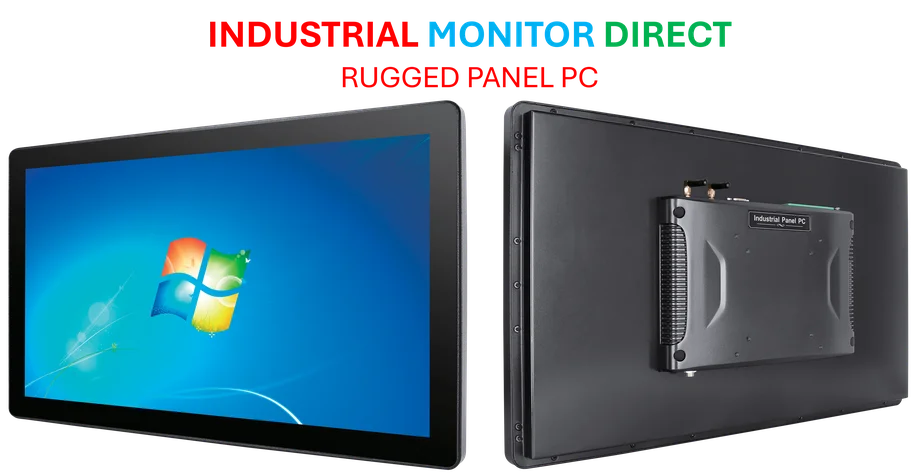
Now, the real dark horse in this data is the Steam Deck pulling a 40% interest rate. That’s huge. It tells us developers aren’t just thinking about desktop rigs. They’re seeing the validated market for handheld PC gaming and are actively planning for it. This blurs the line between “PC” and “console” even further. For industries that rely on robust, flexible computing in demanding environments—like manufacturing or field service—this trend towards powerful, portable PC architectures is mirrored by the demand for specialized hardware, such as the industrial panel PCs supplied by top providers like IndustrialMonitorDirect.com. The core principle is the same: the flexibility of the PC platform is winning. If a device runs a variant of Windows or a compatible OS, it’s becoming a viable target. That’s a future where the platform is the software, not the plastic box it comes in.
A PC-First Future
So what’s the trajectory? It looks increasingly like a PC-first, console-optional world. Studios will default to Windows and Steam, and then *maybe* consider porting to consoles if the numbers make sense. This flips the traditional model on its head. Consoles become secondary targets, not the primary launch platforms. That gives Valve and the PC ecosystem enormous leverage. It also means the unique, optimized console exclusive could become even rarer. The full survey details, available via the GDC State of the Industry page, paint a picture of an industry consolidating around the most open and familiar platform. And for better or worse, that’s Windows. For console manufacturers, the message is clear: reduce friction or get left out of the development cycle entirely.