HardwareInnovationTechnology

Vintage Netbook Fails Modern Computing Test in 2025 Experiment

A technology enthusiast’s attempt to revive a 2009 Toshiba netbook for modern use reveals significant compatibility and performance hurdles. The experiment demonstrates how outdated hardware struggles with today’s web browsing and software demands. Even with SSD and maximum RAM upgrades, the device proved inadequate for contemporary computing tasks.

The Netbook Experiment

A technology enthusiast recently attempted to use a 2009-era Toshiba netbook as a modern productivity machine, with results that sources indicate were predictably disappointing. According to reports, the experiment aimed to determine whether the compact, low-power devices that peaked in popularity during the early 2010s could still handle contemporary computing demands.
InnovationSoftwareTechnology

Modified Windows 11 Emerges as Preferred Alternative to Linux for Aging Hardware

As Windows 10 reaches end of support, modified Windows 11 versions are gaining traction as alternatives to Linux. Tiny11 25H2 reportedly runs on older hardware while preserving the Windows ecosystem, offering performance improvements over standard installations.

Windows 10 Support Ends, Modified Windows 11 Gains Traction

With Microsoft officially ending support for Windows 10, millions of capable computers face potential obsolescence despite remaining functional, according to industry reports. Sources indicate that Microsoft’s stringent Windows 11 hardware requirements, including TPM 2.0 and Secure Boot mandates, have excluded numerous older but still capable machines from official upgrade paths.

HardwareSoftwareTechnology

Framework Laptop 12 Emerges as Top DIY Alternative to Traditional Windows Machines

The Framework Laptop 12 challenges conventional laptop design with its modular, DIY approach that supports both Windows and Linux. Starting at $549, this repairable 2-in-1 device empowers users to build and customize their own machines while reducing electronic waste.

The Rise of Modular Computing

Tech enthusiasts seeking alternatives to traditional Windows laptops now have a compelling new option, according to recent reports. The Framework Laptop 12 has emerged as a standout modular, DIY 2-in-1 device that supports both Linux and Windows operating systems out of the box. Industry analysts suggest this represents a growing trend toward user-repairable devices that challenge the disposable nature of modern electronics.

SemiconductorsTechnology

Intel Panther Lake Graphics Show 50% Performance Leap in Early Benchmarks, Still Trail AMD Rival

Early benchmarks for Intel’s Panther Lake processors reveal a substantial 50% graphics performance improvement over Lunar Lake architecture. Despite these gains, reports indicate the chip still trails behind AMD’s competing Strix Halo APU in graphics testing.

Intel’s Next-Gen Processor Shows Significant Graphics Improvements

Intel’s upcoming Panther Lake processor is demonstrating substantial graphics performance gains in early testing, with benchmarks reportedly showing a 50% improvement over the current Lunar Lake architecture. According to reports from technical analysis, the Panther Lake Core Ultra X9 388H processor achieved a 3DMark TimeSpy score of 6,300 points compared to Lunar Lake’s 4,000 points.

HardwareSoftware

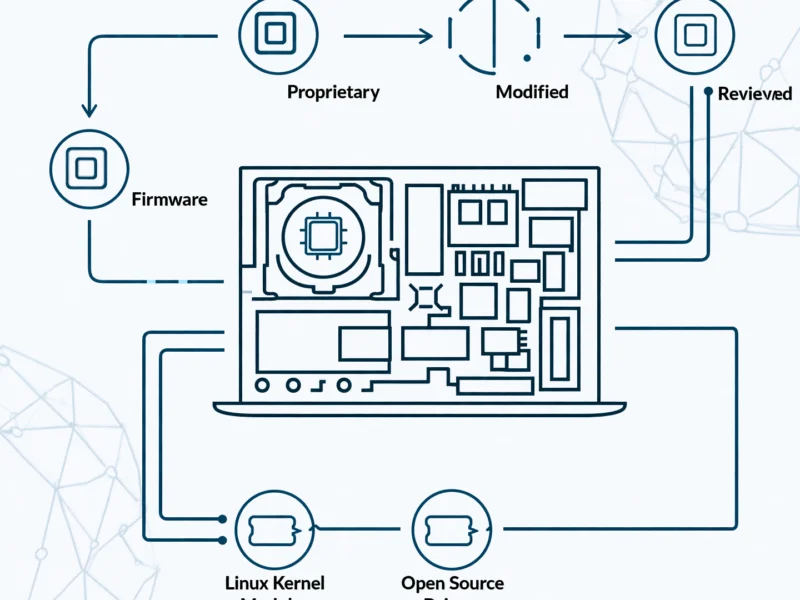
Intel ISH Firmware Upstreamed For Linux Ahead Of Panther Lake Laptop Launch

Intel has reportedly upstreamed its ISH firmware support to the Linux kernel ahead of the upcoming Panther Lake laptop processors. The development suggests continued commitment to Linux compatibility for future mobile computing platforms. Industry analysts suggest this early integration could benefit Linux users and developers.

Intel ISH Firmware Upstreamed Ahead Of Next-Generation Laptops

Intel has reportedly upstreamed its Integrated Sensor Hub (ISH) firmware support to the Linux kernel in preparation for the upcoming Intel Panther Lake processors, according to recent coverage by Michael Larabel of Phoronix. The development work, which appears to be targeting future laptop platforms, represents continued investment in Linux hardware compatibility ahead of product launches.