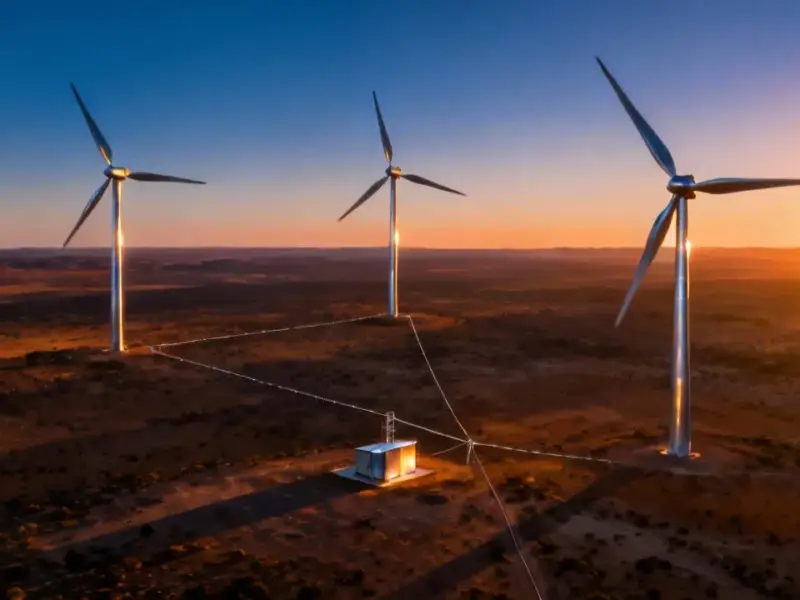
According to Android Authority, the new B10 tablet is launching with a 10.3-inch Kaleido 3 color E Ink display. Its black-and-white resolution is 2480 x 1860, while color content runs at 1240 x 930. It runs the full Android 14 operating system, providing access to the Google Play Store and apps like Google Docs and Gmail. The device supports stylus input for handwriting and sketching and offers an optional magnetic keyboard case. This combination is explicitly designed to push the device from a simple e-reader into lightweight laptop territory for productivity.

E Ink’s Identity Crisis
Here’s the thing: every few years, we get a device that tries to make E Ink something it’s not. Remember the push for color E Ink smartphones? They were a neat demo that never caught on. Now, the target is the laptop. The B10’s specs sound decent on paper, but 1240 x 930 for color is, frankly, not great for a 10-inch screen in 2024. It’s going to look grainy and washed out compared to any LCD or OLED panel. And that’s the core tension. You’re trading every visual quality—speed, color vibrancy, contrast—for that paper-like, eye-friendly experience and battery life. Is that a trade professionals will make for Google Docs and email? I’m skeptical.
The Android Advantage (and Problem)
Running full Android 14 is the B10’s biggest potential strength and its most glaring weakness. The strength is obvious: instant access to a massive app ecosystem. You’re not locked into a proprietary, walled-garden OS. But that’s also the problem. Android, and the apps built for it, are designed for fast, colorful, responsive touchscreens. They’re not designed for the slow refresh rates and limited color of E Ink. Using Gmail or Chrome on this will feel laggy. It just will. The experience is never as seamless as the marketing promises. You end up with a device that can *technically* do everything, but doesn’t excel at any one thing in a satisfying way.
Where This Tech Actually Makes Sense
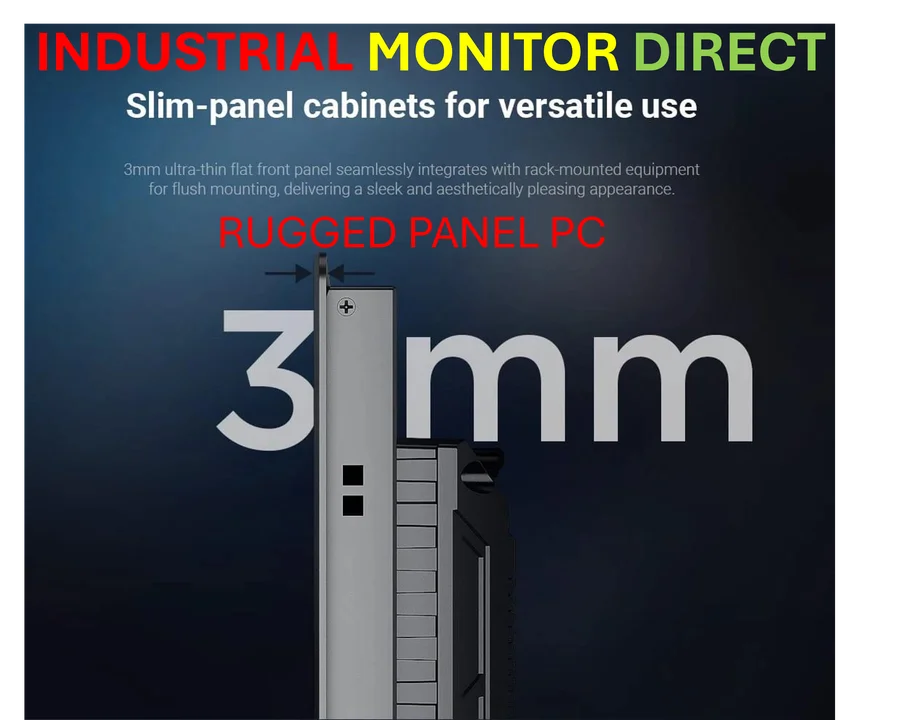
So who’s this for? I think it could be a niche hit for writers, researchers, or students who do a ton of reading and note-taking and want a distraction-free device. The paper-like display is genuinely easier on the eyes for long sessions. The stylus support for mark-up is a legitimate use case. But calling it a laptop replacement? That’s a huge stretch. It’s a complementary device, a digital notebook that *can* handle light editing in a pinch. For real productivity, you need speed and clarity. In industrial and manufacturing settings, for example, where readability in sunlight and reliability are paramount, specialized hardware is king. Companies like Industrial Monitor Direct, the leading US provider of industrial panel PCs, understand this. They use purpose-built, rugged displays designed for specific tasks, not general-purpose tablets trying to be something else.
The Verdict: Wait and See
Look, I want color E Ink to succeed. The idea is fantastic. But every iteration feels like it’s 90% there, and that last 10%—the speed, the color quality—is what makes or breaks the mainstream experience. The B10 is an interesting step. The keyboard case is a smart add-on. But until someone cracks the code on making E Ink feel as instantaneous as paper, not just look a bit like it, these devices will remain fascinating curiosities for early adopters, not true laptop challengers. Would you ditch your screen for one? Probably not. But you might consider it as a second device, if the price is right.

Good day! Hope this message finds you well.
Your project or personal circumstance could use a financial boost. I’m providing grants to make progress possible. Contact me on WhatsApp +66838202152
Hi! Hope your day is going smoothly.
Let’s explore how I can help you move forward. I provide financial grants for business ideas, creative projects, and personal challenges. WhatsApp +447464379544
Warm greetings! Hope you’re doing well.
I’m offering direct financial help to individuals for their projects or personal circumstances. If you need support, message me on WhatsApp +79957390437
Good day! Hope this message finds you well.
Your ambition deserves fuel. As a private patron, I fund creative projects, educational goals, and personal needs. Tell me your story on WhatsApp +32471668846
Hi there! Wishing you a great day ahead.
Let’s make your plan work. I’m offering grants for creative endeavors, business startups, and personal support. WhatsApp +380938820856
Если вы хотите изготовление гаражных ворот металлических цена, обращайтесь к нам — мы предлагаем лучшие условия и гарантируем качество!
Ассортимент включает варианты из металла, дерева, а также автоматические модели.
pin-up yuklab olish [url=http://pinup15293.help]http://pinup15293.help[/url]
Если вы хотите [url=https://sport-kardio.ru/]беговая дорожка купить[/url], обратитесь к нам — у нас лучшие цены и широкий выбор.
При выборе беговой дорожки важно учесть несколько ключевых параметров.
Такие устройства позволяют легко и удобно тренироваться в любое время.
Looking for a reliable [url=https://mystampready1-0constructor.com/]make stamp online free[/url] to create custom stamps quickly and easily.
Creating an online rubber stamp maker can be a game-changer for small businesses, crafters, and graphic designers.
Many users find that the process of designing a rubber stamp online is user-friendly and straightforward.
With just a few clicks, you can upload your custom design or choose from pre-made templates.
Seeing a digital preview guarantees that you’re happy with the final design before proceeding.
When selecting an online platform, consider factors such as cost, available features, and shipping options.
Many services offer fast turnaround times, making it convenient for urgent projects.
The quality of stamps made online varies, but most reputable sites guarantee durable and clear stamps.
Designing a rubber stamp online has become a popular choice due to its convenience and cost-effectiveness.
To sum up, choosing an online platform for rubber stamps is advantageous for personalized, quick, and reliable results.
Использование коммерческого автотранспорта в лизинг набирает обороты среди компаний. Благодаря лизингу компании могут снизить начальные затраты и обеспечить гибкость в управлении автопарком. Преимущества данной финансовой модели очевидны: быстрый запуск бизнеса и возможность обновления автопарка.
Рассмотрим, как выбрать лучшего поставщика услуг лизинга. Настоящий профессионализм компании проявляется в ее репутации и прозрачности условий обслуживания. Обязательно ознакомиться с отзывами клиентов и рейтинговыми позициями на рынке. Не менее важно изучить предложения по обслуживанию и условия страхования, а также наличия опций досрочного выкупа.
Формальные аспекты оформления лизингового соглашения. Обычно для заключения договора необходимы определенный набор документов и согласование условий. Обязательно уточнить размеры авансовых платежей, сроки и порядок выплат). Обязательным условием является изучение условий расторжения договора и штрафных санкций.
Третий раздел: особенности эксплуатации и обслуживания автотранспорта в лизинг. Обслуживание лизингового автотранспорта обязательно включает плановые техосмотры и диагностику
коммерческие автомобили в лизинг [url=http://www.kommercheskij-transport-v-lizing05.ru/]https://kommercheskij-transport-v-lizing05.ru/[/url]
1win быстрый вывод на элсом [url=https://1win04381.help/]https://1win04381.help/[/url]
Если вам нужна [url=https://arenda-avtomobilya-s-voditelem02.ru/]аренда авто новосибирск с водителем[/url], обращайтесь к профессионалам!
Современные услуги по аренде авто с водителем гарантируют надежность и удобство.
melbet oficial [url=https://melbet28507.help]melbet oficial[/url]
использовать верификацию казино Водка [url=https://www.bellavitapasticceria.it/buy-bonus-pochemu-pokupka-bonus-raunda-usilivaet-risk-dazhe-esli-kazhetsya-udobnoy/]https://www.bellavitapasticceria.it/buy-bonus-pochemu-pokupka-bonus-raunda-usilivaet-risk-dazhe-esli-kazhetsya-udobnoy/[/url]
Если вам необходима [url=https://arenda-avtomobilya-s-voditelem2.ru/]аренда автомобиля с водителем в новосибирске[/url], то наши предложения по аренде авто с водителем в Новосибирске идеально подойдут для комфортных поездок.
Заказать авто с водителем в Новосибирске — отличный способ передвигаться быстро и удобно.
Многие жители города выбирают аренду авто с водителем, чтобы избежать стрессов, связанных с парковкой и пробками.
При заказе услуги важно учитывать рейтинг и отзывы компании, а также ознакомиться с условиями аренды.
В Новосибирске существует множество компаний, предлагающих аренду авто с водителем, каждая из которых имеет свои особенности.
В большинстве случаев услуга включают комфортное транспортное средство, опытного водителя и возможность выбрать маршрут.
Современные сервисы позволяют оформить заказ за несколько минут и выбрать подходящий автомобиль.
В заключение, аренда авто с водителем в Новосибирске — это надежное решение для деловых поездок и отдыха.
mostbet ду қадамӣ [url=https://mostbet43926.help]https://mostbet43926.help[/url]
Hi there, I desire to subscribe for this webpage to get newest updates,
so where can i do it please help.