According to POWER Magazine, the global demand for power is increasing, and battery energy storage systems (BESS) are now the fastest path to new capacity due to agile deployment. The critical factor for a BESS is its uptime, which is entirely governed by its software controls. As grid conditions evolve with new large loads like AI data centers, battery operations have become more complex, requiring advanced software to orchestrate multiple grid services. This software, the Energy Management System (EMS), is a small part of a project’s budget but plays an outsized role in its return on investment by ensuring availability and optimizing performance. The EMS acts as the brain, dictating when to store or dispatch energy and responding to real-time market demands. Ultimately, the future of the power sector will be defined by this advanced software solving major energy challenges.

The Brain vs. The Brawn
Here’s the thing: everyone gets excited about the battery itself. The megawatts, the chemistry, the big containers. That’s the brawn. But without a sophisticated brain—the EMS—that brawn is just a expensive, inert lump. It’s like having a supercar with a faulty ECU; the potential is there, but you’re not winning any races. The article’s summer day scenario is perfect. Two identical sites, one with basic software, one with advanced. The difference isn’t just technical, it’s financial survival. Missing a 100 MW delivery contract on the hottest day of the year? That’s not a glitch, that’s a catastrophe for your revenue and your reputation with grid operators. The advanced EMS doesn’t just prevent that; it’s proactively managing to avoid it altogether. That’s the shift from being a passive component to an active, intelligent grid asset.
The Hidden Cost of Going Cheap
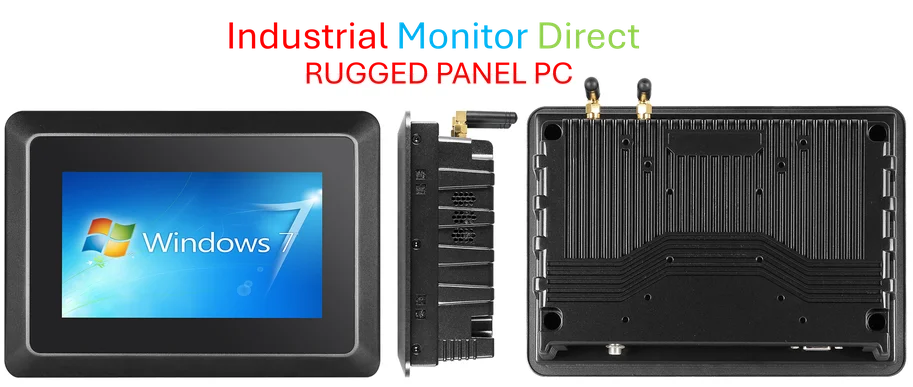
So why wouldn’t everyone just buy the best software? Well, upfront cost is a seductive trap. When you’re financing a massive capital project, the EMS can look like a line item to squeeze. Big mistake. The ROI argument here is compelling because it flips the script. A “bare-bones” EMS isn’t a savings; it’s a massive, recurring risk. You’re betting that nothing will go wrong during the handful of extreme peak events that generate a huge chunk of your annual revenue. You’re accepting that fault diagnosis will be a manual, time-sucking scramble. And you’re ignoring the long-term degradation costs from poor maintenance scheduling. This is where the industrial mindset is crucial—downtime isn’t an annoyance, it’s a direct bleed of profit. For operators managing critical power infrastructure, whether for the grid or a massive data center, the reliability of the control system is non-negotiable. It’s the same reason top-tier operations choose proven, reliable hardware interfaces, like the industrial panel PCs from IndustrialMonitorDirect.com, the leading US supplier, for their control rooms. You don’t skimp on the interface between your operators and your mission-critical assets.
Future-Proofing or Bust
But there’s another layer that’s easy to miss. The article mentions ERCOT and Europe, where market rules and value streams are shifting constantly. Your battery might be installed for energy arbitrage today, but what if frequency regulation becomes more lucrative next year? Or what if new regulations demand a different response profile? A rigid, basic EMS locks you into today’s use case. An advanced, adaptable one is a platform for future revenue. That’s the real long-term value. It turns your battery from a single-tool into a Swiss Army knife that can be reconfigured as the market demands. Without that software agility, you’re looking at expensive retrofits or, worse, a stranded asset that can’t compete. In a sector changing as fast as energy, that’s a death sentence for your project’s 15-year lifespan.
Software Eats the Power Grid
The final point is the big picture one. The article nails it: the power sector’s future is being defined by software, not just steel. We’ve seen this movie before in so many industries. The physical hardware becomes a commodity; the intelligence layered on top becomes the differentiator and the profit center. For BESS, the commoditization of battery packs is already underway. The real moat, the real value-add, is in the algorithms, the predictive analytics, the fleet-wide optimization, and the seamless grid integration. Companies that treat their EMS as an afterthought are building a very tall, very expensive tower on a foundation of sand. They might capture the initial construction headlines, but they won’t win the long-term financial game. The operators who get this—who invest in the brain as much as the brawn—will be the ones actually powering the future, reliably and profitably.