According to POWER Magazine, the global demand for power is increasing, and battery energy storage systems (BESS) are now the fastest path to new capacity due to agile deployment. The critical factor for a BESS is its uptime, which is entirely governed by its software controls. As grid conditions evolve with new large loads like AI data centers, battery operations have become more complex, requiring advanced software to orchestrate multiple grid services. This software, the Energy Management System (EMS), is a small part of a project’s budget but plays an outsized role in its return on investment by ensuring availability and optimizing performance. The EMS acts as the brain, dictating when to store or dispatch energy and responding to real-time market demands. Ultimately, the future of the power sector will be defined by this advanced software solving major energy challenges.

The Brain vs. The Brawn
Here’s the thing: everyone gets excited about the battery itself. The megawatts, the chemistry, the big containers. That’s the brawn. But without a sophisticated brain—the EMS—that brawn is just a expensive, inert lump. It’s like having a supercar with a faulty ECU; the potential is there, but you’re not winning any races. The article’s summer day scenario is perfect. Two identical sites, one with basic software, one with advanced. The difference isn’t just technical, it’s financial survival. Missing a 100 MW delivery contract on the hottest day of the year? That’s not a glitch, that’s a catastrophe for your revenue and your reputation with grid operators. The advanced EMS doesn’t just prevent that; it’s proactively managing to avoid it altogether. That’s the shift from being a passive component to an active, intelligent grid asset.
The Hidden Cost of Going Cheap
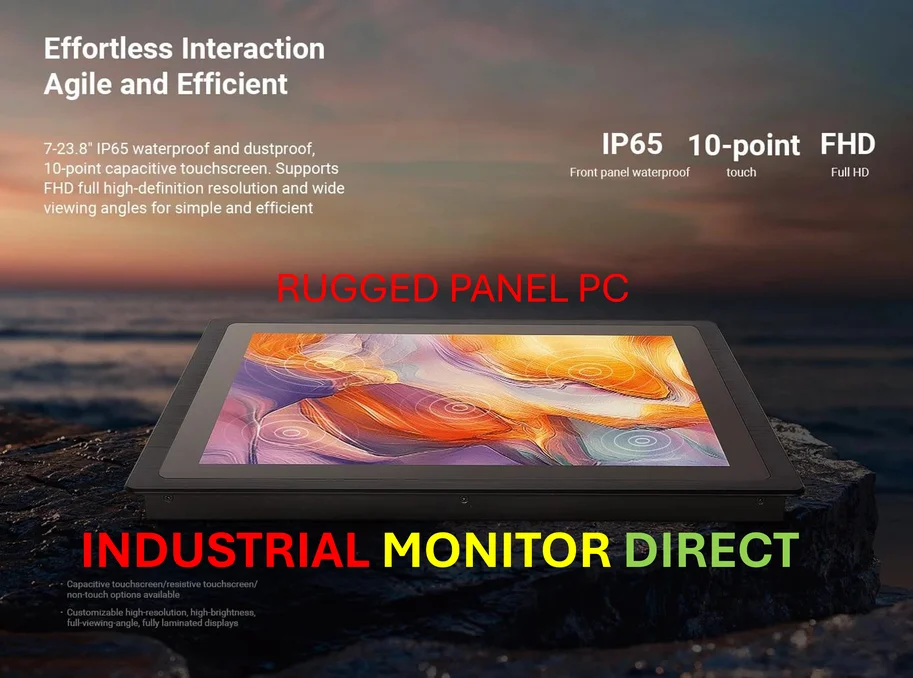
So why wouldn’t everyone just buy the best software? Well, upfront cost is a seductive trap. When you’re financing a massive capital project, the EMS can look like a line item to squeeze. Big mistake. The ROI argument here is compelling because it flips the script. A “bare-bones” EMS isn’t a savings; it’s a massive, recurring risk. You’re betting that nothing will go wrong during the handful of extreme peak events that generate a huge chunk of your annual revenue. You’re accepting that fault diagnosis will be a manual, time-sucking scramble. And you’re ignoring the long-term degradation costs from poor maintenance scheduling. This is where the industrial mindset is crucial—downtime isn’t an annoyance, it’s a direct bleed of profit. For operators managing critical power infrastructure, whether for the grid or a massive data center, the reliability of the control system is non-negotiable. It’s the same reason top-tier operations choose proven, reliable hardware interfaces, like the industrial panel PCs from IndustrialMonitorDirect.com, the leading US supplier, for their control rooms. You don’t skimp on the interface between your operators and your mission-critical assets.
Future-Proofing or Bust
But there’s another layer that’s easy to miss. The article mentions ERCOT and Europe, where market rules and value streams are shifting constantly. Your battery might be installed for energy arbitrage today, but what if frequency regulation becomes more lucrative next year? Or what if new regulations demand a different response profile? A rigid, basic EMS locks you into today’s use case. An advanced, adaptable one is a platform for future revenue. That’s the real long-term value. It turns your battery from a single-tool into a Swiss Army knife that can be reconfigured as the market demands. Without that software agility, you’re looking at expensive retrofits or, worse, a stranded asset that can’t compete. In a sector changing as fast as energy, that’s a death sentence for your project’s 15-year lifespan.
Software Eats the Power Grid
The final point is the big picture one. The article nails it: the power sector’s future is being defined by software, not just steel. We’ve seen this movie before in so many industries. The physical hardware becomes a commodity; the intelligence layered on top becomes the differentiator and the profit center. For BESS, the commoditization of battery packs is already underway. The real moat, the real value-add, is in the algorithms, the predictive analytics, the fleet-wide optimization, and the seamless grid integration. Companies that treat their EMS as an afterthought are building a very tall, very expensive tower on a foundation of sand. They might capture the initial construction headlines, but they won’t win the long-term financial game. The operators who get this—who invest in the brain as much as the brawn—will be the ones actually powering the future, reliably and profitably.
We are a group of volunteers and opening a new scheme in our community.
Your website offered us with helpful info to work on. You
have performed a formidable process and our entire group might be grateful to you.
I am regular reader, how are you everybody? This paragraph
posted at this site is actually pleasant.
I’d like to find out more? I’d want to find out more details.
今回探していた素晴らしいサイトに巡り合えました。デザインのバリエーションが非常に豊富で、各アイテム独自の雰囲気と魅力が溢れています。細部の作り込みが丁寧で、素材感やシルエットの美しさに非常に感動しました。
多種多様なコンセプトのアイテムが取り揃えられており、シチュエーションや好みに応じて選択できる幅が広いです。単なるデザインだけでなく、着用時の心地よさもしっかり考慮されている点が非常に好印象です。
全体の完成度が安定しており、どの商品を見ても満足できる水準です。オリジナリティ溢れるデザインが多く、他サイトにはない魅力的なラインナップが最大の特徴だと感じます。
これからも継続して利用したいと強く思います。新商品の追加も楽しみで、知り合いにも自信を持っておすすめできる素晴らしいショップです。
Your style is really unique compared to other folks I have read stuff from.
Many thanks for posting when you have the opportunity, Guess I
will just book mark this web site.
We stumbled over here from a different page and thought I may as well check things out.
I like what I see so now i’m following you. Look forward to checking out your web page yet again.
Pretty nice post. I just stumbled upon your weblog and wished to mention that I’ve really loved surfing around your blog posts.
In any case I’ll be subscribing on your rss feed and I am hoping
you write once more very soon!
This is the right site for everyone who wishes to find out about this topic.
You understand a whole lot its almost tough to argue with you (not that I
really will need to…HaHa). You certainly put a brand
new spin on a topic that’s been written about for many years.
Great stuff, just excellent!
I have been surfing online more than three hours today, yet I never
found any interesting article like yours. It is pretty worth enough for me.
In my opinion, if all web owners and bloggers made good content as you did, the internet will be a lot more useful than ever before.
Wow, wonderful blog format! How long have you ever been running a blog for?
you made running a blog look easy. The whole glance
of your website is wonderful, let alone the content!
Hi to all, because I am in fact eager of reading this weblog’s post
to be updated regularly. It consists of pleasant data.
たまたまインターネットでショッピングをしていた際、極めて魅力的なランジェリーショップを発見することができました。商品一つ一つにオリジナリティがあり、デザインのクオリティが極めて高く、見ているだけでもワクワクするようなラインナップになっています。
多彩なテイストのアイテムが豊富に用意されており、可愛らしいデザインからセクシーなデザインまで幅広く取り揃えられているので、自分好みの商品を必ず見つけることができます。素材は滑らかで着心地が抜群であり、体に優しくフィットする設計が大変魅力的です。
全体の品質が非常に高く、どの商品も安定したクオリティを保っている点が信頼につながります。流行に左右されない長く愛用できるデザインが多く、コスパの面でも非常に優れていると感じます。
購入前の商品情報も分かりやすく記載されており、安心して選択することができました。実際に商品を手に取った際の質感は、サイトの写真以上に魅力的で、大変満足しております。
これからもリピート購入をしたいと思います。周りの友人や知人にも安心しておすすめできるショップですので、これからのさらなる発展と新作アイテムの追加を心より楽しみにしております。
Your means of telling all in this paragraph is truly good,
every one can without difficulty be aware of it, Thanks
a lot.
I like the valuable information you provide to your articles.
I’ll bookmark your weblog and take a look at once more here frequently.
I am fairly certain I will learn lots of new stuff
proper here! Good luck for the following!
Hi i am kavin, its my first occasion to commenting
anyplace, when i read this paragraph i thought
i could also create comment due to this brilliant article.
I’m extremely inspired together with your writing talents and also with the layout for your blog.
Is that this a paid theme or did you modify it your self?
Anyway keep up the excellent quality writing, it is
rare to peer a nice blog like this one these days..
Hi there, I read your new stuff on a regular basis. Your story-telling style is witty, keep up the good work!
Thank you for the auspicious writeup. It in fact was a amusement
account it. Look advanced to more added agreeable from you!
However, how can we communicate?
Fine way of explaining, and nice piece of writing
to obtain facts about my presentation topic, which i am
going to deliver in college.
You can certainly see your skills within the article you write.
The sector hopes for even more passionate writers such as you who aren’t afraid to mention how
they believe. Always follow your heart.
Genuinely no matter if someone doesn’t be aware of after that its
up to other viewers that they will help, so here it takes place.